
AI products and workflows
that put your enterprise
at the frontier

Whether you're a growing small business or a large enterprise, we transform complex AI capabilities into tailored strategies that streamline your operations, maintain and accelerate your existing product stack, unlock new revenue streams, and drive measurable growth.

01 / Project Efficient

Empowering teams
with human-led AI
for unmatched efficiency.

At the heart of Project Efficient lies a groundbreaking philosophy: AI should amplify human potential, not replace it. That philosophy is not a slogan — it is the operating principle behind both engines we ship: Aegis AI, which makes the software you run faster and more reliable, and Human-Led AI, which makes the people who run your business sharper with AI in their hands. The companies that win the AI economy aren't the ones that cut the most — they're the ones whose teams and systems get stronger together.

See how we put it to work
 02 / Why most AI fails

Most AI projects never reach production.

That's an execution problem — and execution is the product.

These aren't small-team failures. They're industry-wide, and even the best-resourced companies hit them. The pattern behind almost all of it is the same: AI gets bolted on instead of built in, and built around tools instead of the people who run the business.

Our two engines are designed to fix exactly that — not by buying more software, but by changing how AI actually gets built and adopted. Aegis AI changes how your software gets built and maintained; Human-Led AI changes how your teams work with AI. Same principle underneath both.

Source data · public reports 2024–2025
42%

of corporate AI initiatives yield zero ROI

Beam.ai, 2024
80%+

overall AI project failure rate — 2× that of non-AI IT

RAND Corp.
61%

of enterprises report no EBIT impact from AI at all

McKinsey 2025
 03 / How we put it to work

Two engines.
One belief underneath both.

Fixed scope. Leadership accountable end-to-end. Payment tied to ROI.

01 / Aegis AI

Aegis AI Patent-Pending

AI-Optimized Software Development & Maintenance

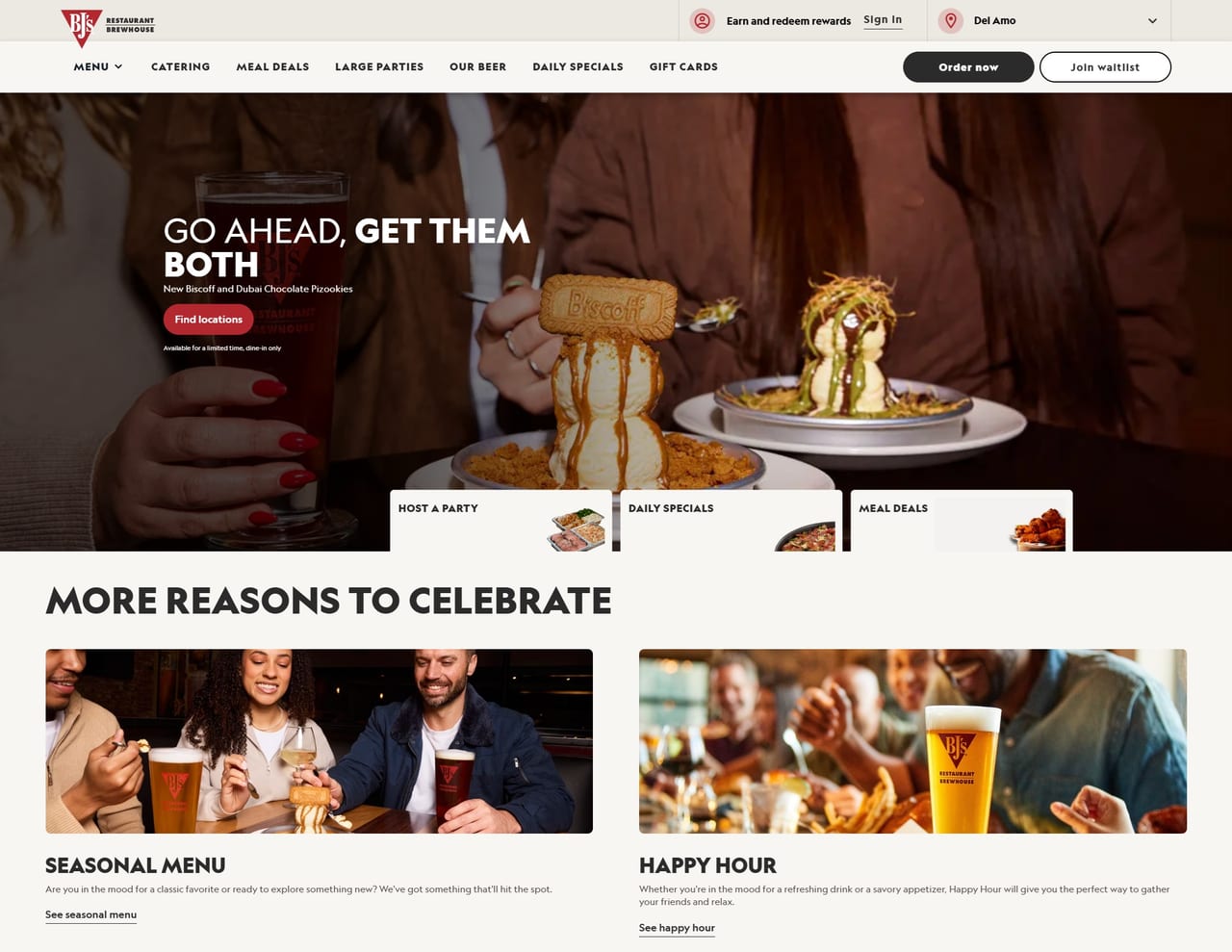
Aegis AI is execution excellence, not headcount replacement. Our patent-pending process lifts enterprise teams from releasing every two weeks to twice a week — without the defect spikes that normally come with speed. It makes your existing engineers faster and your codebase more reliable; we don't replace your team, we put a force-multiplier behind it. Aegis has supported BJ's Restaurants, a 200+ location restaurant chain, with twice-weekly production releases and zero critical defects for the past few years.

  • AI Planning & DevelopmentImprove code quality, strengthen sprint planning, and align delivery with business priorities.
  • AI Pre-Release QualityDetect risks early with AI-powered code reviews, regression prevention, and stronger test coverage insights.
  • AI Production MonitoringMonitor live systems continuously with anomaly detection, root cause analysis, and performance alerts.
  • AI Continuous OptimizationTurn release data, experience signals, accessibility checks, SEO insights, and testing feedback into ongoing improvement.
[ Learn about Aegis AI ]
02 / Human-Led AI

Transform Your Workforce
with Human-Led AI

Use AI to reduce waste, better understand customers, and drive growth — without treating technology as a replacement for your people. We help enterprises train their workforce with customized, role-based programs that adapt to each person's level — so teams skill up faster, save time, and grow with the technology. Our AI consulting services, AI readiness assessment, and AI staff augmentation programs build lasting capability that stays in-house.

  • AI Consulting Services & Readiness AssessmentTailored AI strategy with a frank assessment of where you are and where you can go.
  • Custom AI Process Design & IntegrationTailored AI processes without disrupting existing operations.
  • AI Workflow AutomationReduce repetitive work, eliminate inefficiencies, and lower operational waste.
  • AI Staff AugmentationEmbed senior AI engineers into your team with full accountability and speed.
  • AI Training & EnablementWorkforce adoption with confidence, clarity, and measurable skills uplift.
[ Learn about Human-Led AI ]
 04 / Work

Products we've shipped.

A few anchors, not a wall of logos. A traditional 200+ location business now shipping twice a week. A startup we built from day one, still running twelve years later. One marketplace acquired by Caterpillar. The work backs the philosophy.

BJ's Restaurants website
Case / 01Restaurants · 200+ locations

BJ's Restaurants

From slow releases to twice a week — with zero critical defects.

A 200+ location restaurant business runs on software that has to work every day, across every location, without breaking. When we started, releases were slow and cautious. Over 4+ years, our patent-pending process changed the cadence: BJ's now ships to production twice a week, with zero critical defects — a traditional, established business operating at the cadence of a frontier technology company.

It's also proof of the economics: the same patent-pending process lowers the cost and lifts the efficiency of enterprise web application maintenance and DevOps services. And it isn't restaurant-specific — it's the same engine behind our SaaS development and managed application services, and the foundation of what we do as a full-service AI development services partner.

Visit bjsrestaurants.com Aegis AI · 4+ years
Bridge Athletic website
Case / 02Sports tech · Since 2012

Bridge Athletic

Twelve years, one team, from startup to category leader.

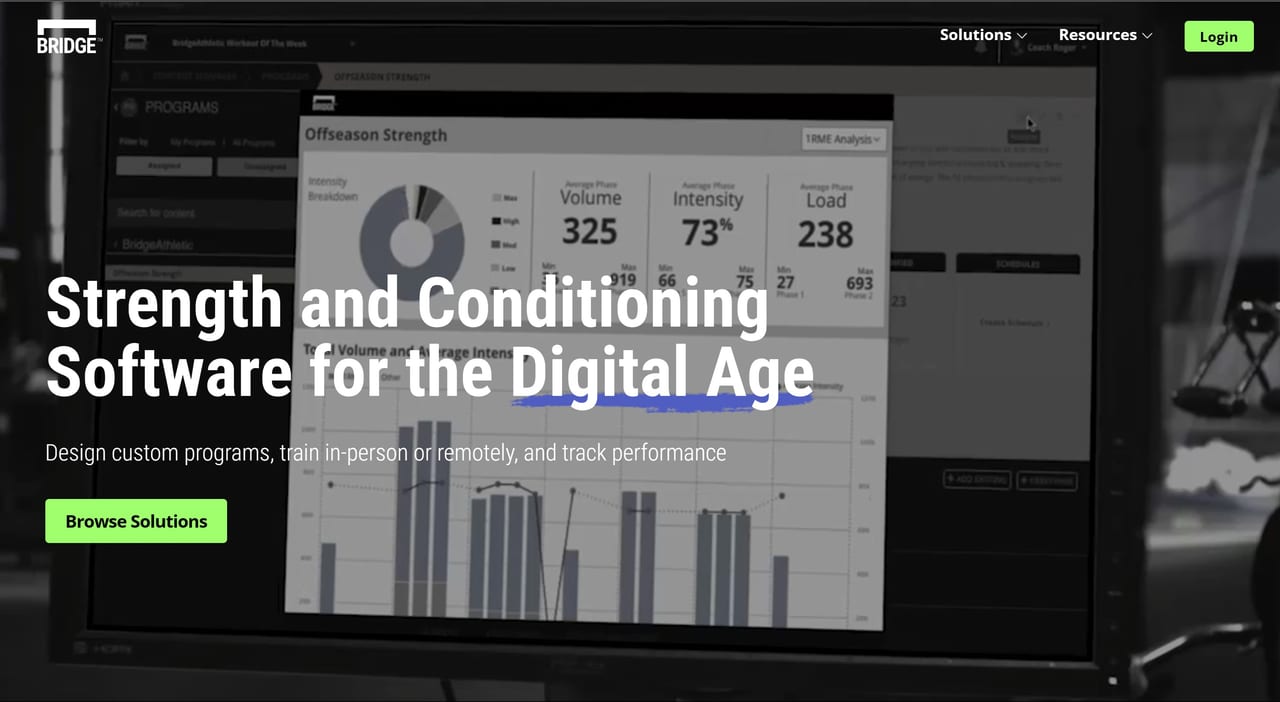
We've worked with Bridge Athletic since the beginning — back when they were a 2012 startup. We helped ship the first product, and were there as it grew into the strength & conditioning platform now used by USC, the LA Rams, and MLB and MLS teams. We're still here today — live in production, still growing (raising strategic growth capital and acquiring Game Plan in 2024). A product we helped build from day one, still trusted twelve-plus years later.

Twelve years in production takes more than a strong first build — it takes reinvention. Over that span we've carried Bridge through several rounds of application modernization and legacy migration, re-platforming the stack and re-engineering the codebase as the scale and the sport evolved. Each pass paid down technical debt and lifted performance — the steady, real-world discipline of modernization, code re-engineering, and performance optimization on a product that never went offline.

Visit bridgeathletic.com 12+ years · Still shipping
YardClub marketplace
CASE / 03 MARKETPLACE · 2017

YardClub

Acquired by Caterpillar. The "Airbnb for construction."

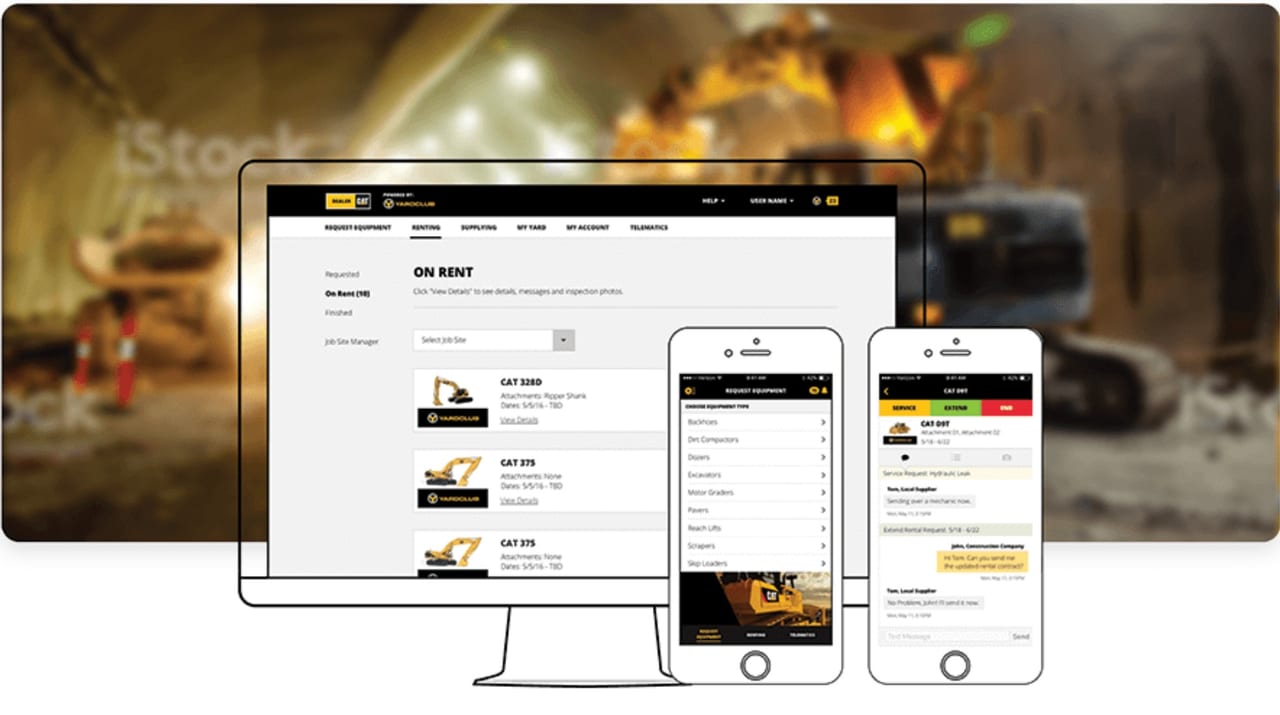
A contractor-to-contractor marketplace for heavy construction equipment — a SaaS startup we built end-to-end. It processed $120M+ in transactions before being acquired by Caterpillar in 2017 — the same ecommerce software development work (marketplace, payments, and transaction infrastructure) we bring to retail and fintech clients today.

Read the acquisition story Marketplace · Acquired 2017
 05 / AI Services

What we build, and how we think about it.

Every service below is something we've delivered in production — not a capability we've assembled from a slide deck.

AI Strategy & Readiness Assessment

We tell you what's real and what isn't. Our readiness assessment maps your data, infrastructure, and team maturity against actual AI requirements — so the roadmap we hand you reflects what your organization can execute, not what sounds ambitious in a board presentation.

Custom AI Development

From a scoped proof of concept to a full production system, we build AI that fits your stack and your business logic — not a generic wrapper around a foundation model. We own the outcome, not just the code delivery.

AI Staff Augmentation

Senior AI engineers embedded into your team — same sprint, same standup, full accountability. No recruiting cycle, no ramp-up theater. We place engineers who've already shipped AI to production in multiple industries and can contribute from week one.

AI Process Design & Workflow Automation

We design AI workflows around the people who have to run them — not the technology we happen to like. The measure of success is whether your team actually uses it six months later, not whether the demo impressed the room.

AI for Healthcare & Regulated Industries

HIPAA-compliant architectures, explainable model outputs, and audit-ready documentation. We've learned that compliance is the baseline, not the hard part — building AI that clinicians and compliance teams actually trust is where the real work is.

AI for Fintech & Ecommerce

Fraud detection pipelines, real-time decisioning, recommendation engines, and dynamic pricing systems — built for accuracy and auditability, not just demo performance. Revenue impact is the metric, not model sophistication.

AI Training & Team Enablement

The engagement isn't done when the system ships. We run structured enablement so your team can operate, evaluate, and iterate on the AI we build — prompt design, model evaluation, and judgment on when to trust or override output. The goal is that you don't need us to maintain it.

Responsible AI & Governance

Silicon Prime was built around the belief that AI should back your people, not replace them. That belief shows up in how we scope projects, how we evaluate model outputs, and how we advise on deployment. We won't ship a system we wouldn't run ourselves.

Enterprise AI Transformation

Org-wide AI adoption almost always starts smaller than leadership expects — and that's correct. We sequence expansion by ROI potential and organizational readiness, building internal capability with each wave so the next one runs faster and requires less of us.

 06 / FAQ

Questions we get
before the first call.

Aegis AI is a reinvention of the software development process — not a product, not a platform, not a SaaS subscription you license. It's a methodology, delivered by a Silicon Prime pod embedded with your engineering org.

The methodology is built on a century-old engineering philosophy: divide and conquer. The smaller the problem you're solving at any moment, the fewer defects you create, the faster you ship, and the easier it is to recover when something does go wrong. Most enterprise engineering teams have lost that discipline — work is batched into two-week sprints, releases are heavy, regressions are common, and after-hours hotfixes are normal. Aegis AI restores the discipline and uses AI to make it operational at scale: smaller units of work, tighter feedback loops, AI-augmented planning, pre-release quality, and continuous production monitoring.

The proof point: BJ's Restaurants, a 200+ location chain that most people would describe as a traditional, boring business — not a place you'd expect to find frontier engineering practice. We've helped them ship to production twice a week with zero critical defects for the past twelve months. They're now operating at a release cadence and stability profile that most pure-play tech companies don't reach.

When we engage, we bring that spirit and that art of divide and conquer into your current process — we don't replace your team, your stack, or your tools. We rebuild the way work flows through them so your team ships faster, with fewer defects, and with less heroism required.

Slow, fragile release cycles are quietly costing enterprises more than they realize. When a team can only safely push to production every two weeks, three things happen:

  • The business waits. Customer fixes, revenue features, and competitive responses sit in a queue behind a release calendar instead of shipping when they're ready.
  • Risk concentrates. Large, batched releases bundle dozens of changes together — when something breaks, no one knows which change caused it, and recovery turns into a war room.
  • Engineering morale erodes. Hotfixes, rollbacks, and after-hours incidents become routine. Your best engineers stop pushing and start protecting themselves.

That's the real cost of a slow release process — not just slower delivery, but slower business. Roadmaps stretch. Customer requests age. Competitors with faster cycles get more shots on goal in the same quarter, and they learn from each one.

Aegis AI solves that. We work directly inside your engineering organization to take the release cycle from a source of risk to a source of leverage — so shipping becomes the easiest part of your week, not the scariest. If your team is afraid to push to production, if your release process has become the bottleneck for the business, or if your roadmap is moving slower than your market — that's the problem we solve.

Most AI consultancies sell automation framed around headcount reduction. We don't operate that way. Our Responsible AI model starts from a different premise: AI should make every person on your team more capable, and every business outcome more achievable.

That shows up in four ways:

  • Reduce waste — eliminate the manual, repetitive, and error-prone work that quietly drains margin from operations, support, finance, and engineering.
  • Improve customer satisfaction — use AI to give your teams faster answers, better context, and more personalized service at every touchpoint.
  • Open new revenue channels — turn proprietary data, existing customer relationships, and underused assets into products, pricing tiers, and offers you couldn't deliver before.
  • Compete better — match or outpace better-funded competitors by moving faster, shipping more, and learning from every interaction.

Workforce training is built into every engagement, not bolted on. We prepare your people with the practical skills they need to work alongside AI — prompt design, model evaluation, AI-assisted analysis, and judgment calls on when to trust output and when to override it. The result: higher productivity per employee, higher revenue per employee, and a workforce that's genuinely ready for the AI economy.

We're explicit about this: the goal is not to reduce your workforce. But if business reality forces that decision down the road, the people who go through our programs leave with portable, in-demand skills — which we think is the only responsible way to do this work.

Every engagement starts with an NDA, a security review, and scoped least-privilege access — read-only by default, write access granted only where the engagement requires it. We can operate fully inside your VPC or cloud account, work behind your VPN, and route all AI inference through your enterprise OpenAI/Anthropic/Azure tenant so your data and prompts never leave your perimeter. For regulated industries, we'll align with your existing SOC 2, HIPAA, or PCI controls before kickoff.

Aegis AI integrations typically reach steady-state in 4–8 weeks, depending on release cadence and complexity. Human-Led AI engagements run 4–8 weeks for the initial process design and rollout. In both cases you get a dedicated pod — a delivery lead, two AI engineers, a PM/BA, a designer, and a QA — under one accountable lead. The lead is your single point of contact. No account managers, no handoffs, no "let me check with the team."

You do — completely. Every line of code, model configuration, prompt, evaluation suite, and design asset is yours on delivery, with full work-for-hire IP assignment signed at kickoff. The only thing we retain is our underlying Aegis AI methodology, which is patent-pending and licensed to you for use within your organization for the lifetime of what we build.

That's up to you. Some clients keep the same pod on a reduced retainer for ongoing iteration, model retraining, and quarterly review. Others take full ownership at handover with a knowledge transfer package — documentation, runbooks, eval suites, and 30 days of overlap support. We don't lock you in. The best signal that an engagement succeeded is that you don't need us anymore.

For a growing number of businesses, the question isn't whether to adopt AI — it's whether to adopt it on your terms or someone else's. Your competitors are already moving. Your clients are already asking. In more and more markets, an AI footprint across your product and service offerings is becoming the cost of staying in the conversation — and the businesses that wait too long don't get a second invitation.

That's the why now. The harder question is how.

The wrong AI partner can do real damage. They disrupt the workflows that took your team years to build. They demoralize the people who actually run the business. They leave you with a system your workforce can't operate and a culture that no longer trusts the next initiative. Speed without responsibility is how most enterprise AI programs fail.

The right partner does the opposite. Your people built this business. The right AI move is the one that backs them — that gives them sharper tools, better information, and the skills to grow alongside the technology, so the whole company moves forward together.

If you're being pushed toward AI by your market, your customers, or your board, and you want a partner who will move fast without breaking the team that got you here — that's when you know AI is the right choice for your business, and that's when you should book the call.

We operate as a dedicated application support team embedded in your engineering workflow — same standards, same accountability, none of the overhead of hiring and onboarding. Coverage is continuous: bug fixes, dependency updates, security patches, and release management run in parallel rather than queuing behind feature work. For clients who need round-the-clock coverage, we structure the pod for 24/7 availability with escalation paths that go directly to engineers, not a helpdesk. The arrangement works as outsourced application maintenance on a retainer, or as overflow capacity alongside your existing team — whichever creates less friction.

Modernization almost never means rewriting from scratch. We audit your current stack first — identifying where legacy patterns are genuinely costing you velocity versus where they're stable and better left alone. Common paths include breaking a monolith into independently deployable services, re-platforming onto cloud-native infrastructure, or migrating off an end-of-life framework like an older PHP version or a legacy .NET stack onto something your team can actually move fast on. For mainframe-era systems or on-premise infrastructure, we've run migrations to cloud environments without the application going dark. The timeline depends on scope, but most clients reach a meaningfully modernized architecture within three to six months, moving in slices rather than a single cutover.

Performance work at Silicon Prime starts with measurement, not assumptions. We instrument your stack with real-user monitoring, run enterprise-grade load tests against production-equivalent environments, and trace bottlenecks to their root cause — whether that's slow database queries, third-party API latency, front-end rendering, or infrastructure sizing. We look at Core Web Vitals as signals, not just compliance checkboxes, and anything we find in database query patterns or caching strategy gets addressed at the source. Performance budgets then get baked into the CI/CD pipeline so regressions are caught before they reach users. For most clients, the first optimization sprint alone produces measurable improvements in time-to-interactive and server response — which tend to show up in both user retention and search rankings.

Yes. We're headquartered in Los Angeles with a second office in Palo Alto, and we run regular engagements with clients across the Bay Area and New York. Our model works well as an IT outsourcing partner because we operate on fixed scope with a single accountable lead — no account managers, no offshore handoffs, no timezone ambiguity. The full delivery stack is covered in-house: API development, DevOps, AI, and ongoing managed services. Clients who've worked with larger outsourcing vendors often tell us the difference is that we treat your release calendar as ours.

Yes, and with real depth in each. In healthcare, we build inside HIPAA-compliant architectures — clinical decision support, patient engagement tools, and operational workflow automation — and we've learned that the compliance layer is only half the problem; the harder part is building AI that clinicians and ops teams actually trust and use. In fintech, we've delivered fraud detection pipelines, regulatory reporting automation, and real-time decisioning systems where accuracy and auditability matter more than novelty. In ecommerce, the work is usually recommendation engines, dynamic pricing, and supply chain intelligence — AI that moves revenue metrics, not just looks impressive in a demo. In all three, we start with a readiness assessment rather than jumping straight to a build, because the right scope on day one tends to be much narrower than what a first meeting suggests.
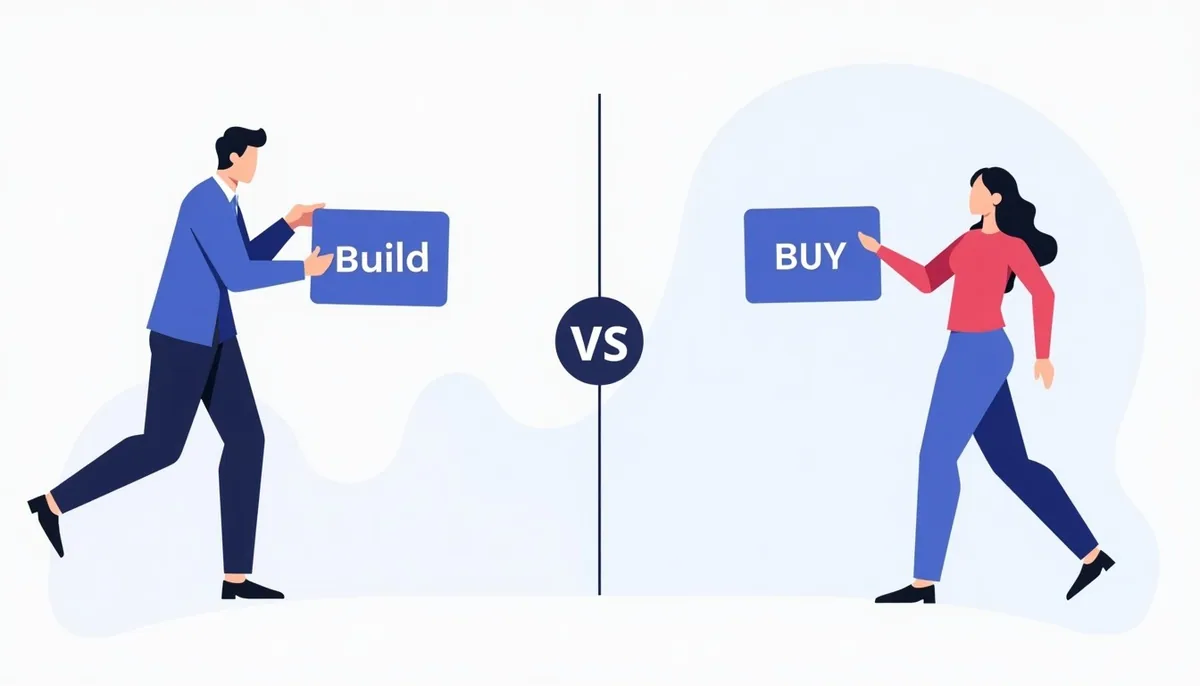
We embed senior AI engineers directly into your existing team — same Slack, same standup, same sprint. They arrive context-loaded on your stack and are accountable to delivery outcomes, not hours logged. Companies that come to us wanting to hire AI engineers directly often find augmentation faster: no recruiting cycle, no ramp-up from zero, and the engineers we place have already worked across multiple AI production systems. Engagements start with a two-week onboarding sprint to map your codebase, data infrastructure, and priorities. From there, the augmented team contributes to your roadmap while upskilling your permanent engineers — so when the engagement ends, the capability stays with you rather than walking out the door.

This is one of the most common situations we inherit. The short answer is: you don't pay it all down at once, and you don't freeze the roadmap to do it. We assess the debt by business impact — which parts of the codebase are slowing down the highest-value work — and address those first, in slices, alongside feature delivery. Re-architecture happens incrementally: extract one service, stabilize it, move on. The goal is to reduce the cost of future change, not to achieve some ideal architecture. For most clients, a structured approach to reducing technical debt pays for itself within two to three quarters through faster delivery cycles and fewer production incidents.

Enterprise-wide AI adoption almost always starts smaller than leadership expects — and that's a feature, not a limitation. The companies that scale AI successfully tend to start with one high-value, high-visibility process where the outcome is easy to measure, prove the model there, then expand. We call this an AI proof of concept: a real, production-grade build on a scoped problem, not a prototype in a sandbox. From that proof point, we work with leadership to build an AI roadmap that sequences expansion by ROI potential and organizational readiness — not by what's technically impressive. The transformation happens in waves, with each wave building the internal capability and confidence to run the next one without us.

 06 / Get in touch

Ready to make
AI real?

Thirty minutes. No pitch deck. We'll listen to your problem and tell you honestly what it would take to build it.

No commitment · We book calls within 48 hours of request