SPrime AI
Book a call

Our worst release, framed and hung in the hallway.

We took the timeline of the worst release in our history, printed it, framed it, and hung it where everyone walks past. It serves not as a punishment, but as a

We took the timeline of the worst release in our history, printed it, framed it, and hung it where everyone walks past. It serves not as a punishment, but as a monument to a lesson learned. This approach helps us keep the lesson front and center, ensuring it's not forgotten.
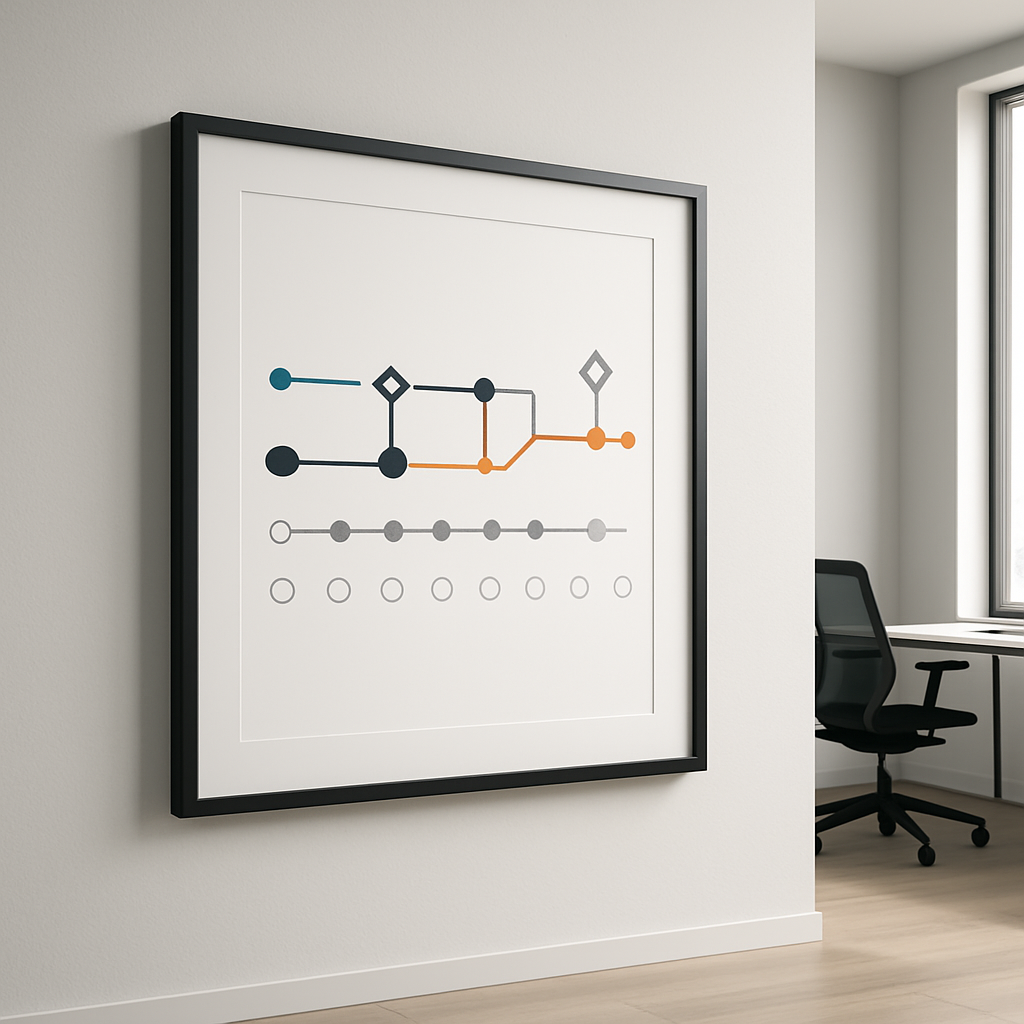
Framed timeline of a project displayed prominently on an office wall as a lesson learned

Why it's on the wall, not in a postmortem folder. 🖼️

A postmortem you file is a postmortem you forget. We wrote ours, learned from it, and then did the thing that actually makes a lesson stick — we made it impossible to ignore. You walk past it to get coffee.

The rule we set when we hung it: the frame is about the system, never the person. No names on the timeline. Just the decisions, the gaps, and the hours it took to recover.

What the timeline actually shows. 📊

It is one printed page, set in mono type, with a thin orange line marking the moment we should have rolled back and didn't. That line is the whole point of the frame. We had the signal at 14:51. We argued about it until 16:30. The cost of that argument is the gap on the wall.

EventTime
Deploy looked clean14:02
First customer report14:51
Rollback decision made16:30
  • No blame caption. The frame names a decision, not a developer.
  • The orange line. It marks the rollback we delayed, not the bug we shipped. The bug was forgivable. The hesitation was the lesson.
  • It stays up. We don't rotate it out for a prettier incident. The worst one earns the wall.

A monument, not a punishment. 🏛️

There is a real difference, and people feel it the moment they understand the frame. A punishment makes the next person hide the next mistake. A monument makes the next person point at the wall and say "we are not doing the 14:51 thing again." One culture buries incidents. The other one frames them.

We don't hang our wins in the hallway. Wins don't teach. The worst release teaches every single morning.

The engineers who lived through that release are still here. That matters more than the frame. We didn't want them gone — we wanted the lesson kept. Workforce-first means the people stay and the mistake becomes shared property of the whole team, bolted to the wall in good light.

Play video

Further Reading

🚀 Ready to Build with AI?

Contact Silicon Prime — we help companies design and ship production-grade AI products.

 FAQ

Frequently asked questions

A postmortem you file is a postmortem you forget. After writing and learning from it, the team made the lesson impossible to ignore by hanging the timeline where everyone walks past it to get coffee. It's a monument to keep the lesson front and center every morning—not a punishment. Wins don't teach; the worst release teaches every single day.

It marks the moment the team should have rolled back and didn't—not the bug that shipped. The signal arrived at 14:51, but the team argued until 16:30; the gap between those times is the cost of hesitation. As the post says, the bug was forgivable, the hesitation was the lesson. The deploy looked clean at 14:02.

A punishment makes the next person hide the next mistake; a monument makes the next person point at the wall and say 'we are not doing the 14:51 thing again.' One culture buries incidents, the other frames them. The frame names a decision, never a developer—there are no names on the timeline, only the decisions, the gaps, and the hours it took to recover.

The rule set when it was hung is that the frame is about the system, never the person. Naming a developer would turn the monument into a punishment and push people to hide future mistakes. Instead the timeline shows only decisions, gaps, and recovery hours, so the lesson becomes shared property of the whole team rather than one person's blame.

The engineers who lived through that release are still at Silicon Prime—the team didn't want them gone, they wanted the lesson kept. Workforce-first means the people stay and the mistake becomes shared property of the whole team, bolted to the wall in good light. Keeping the people matters more than the frame itself.

Because the worst one earns the wall. The team doesn't swap it out for a prettier or more recent incident; the point is that the single hardest lesson stays visible permanently. A rotating display would dilute the one decision the frame exists to teach—the delayed rollback marked by the orange line.

That the cost of a delayed rollback can dwarf the cost of the bug itself. The deploy looked clean at 14:02, the first customer report came at 14:51, but the rollback decision wasn't made until 16:30. The lesson hung in the hallway is to act on the rollback signal instead of arguing about it—to never repeat 'the 14:51 thing.'

Thirty minutes · No pitch deck

Ready to turn AI experiments into measurable ROI?

Bring one outcome you'd like AI to move. We'll help you scope a pilot you can actually measure — and tell you honestly if it's not worth doing yet.

Comments