SPrime AI
Book a call

Onboarding day for a new enterprise delivery pod.

A delivery pod is a small, focused team designed to own an outcome rather than a backlog. Day one is crucial for setting up logistics, which builds the foundati

A delivery pod is a small, focused team designed to own an outcome rather than a backlog. Day one is crucial for setting up logistics, which builds the foundation of trust with the client. This photo essay provides a glimpse into the onboarding process, from initial access provisioning to the first standup meeting.

Team onboarding in a modern office with laptops and runbooks, illustrating enterprise delivery pod setup.

Morning — Access, Badges, the Slow Part 🕒

The initial phase of day one involves waiting for access to propagate, a necessary step we plan for to ensure a smooth start. A pod that faces access issues in the afternoon misses the opportunity to understand the client's system properly. Tools like Confluence and Atlassian can play a role in streamlining this process.
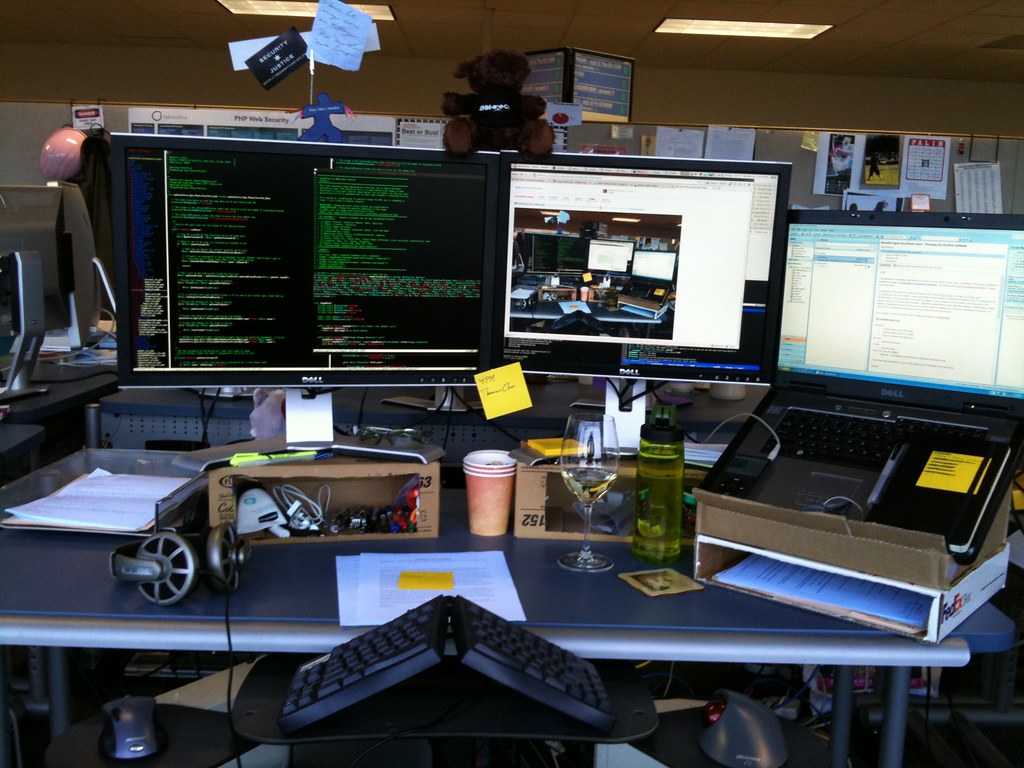
Silicon Prime AI lab workstation with dual monitors, runbook display, and team onboarding setup.09:05 · Access provisioning
Left to right — provisioning at 9:05, the access matrix, the least-privilege checklist.

Midday — The Runbook Handoff 📚

This crucial session involves the client's outgoing team guiding us through the runbook, helping our team understand the nuances of the system. We ensure that every question, even the basic ones, is addressed to gain a comprehensive understanding.

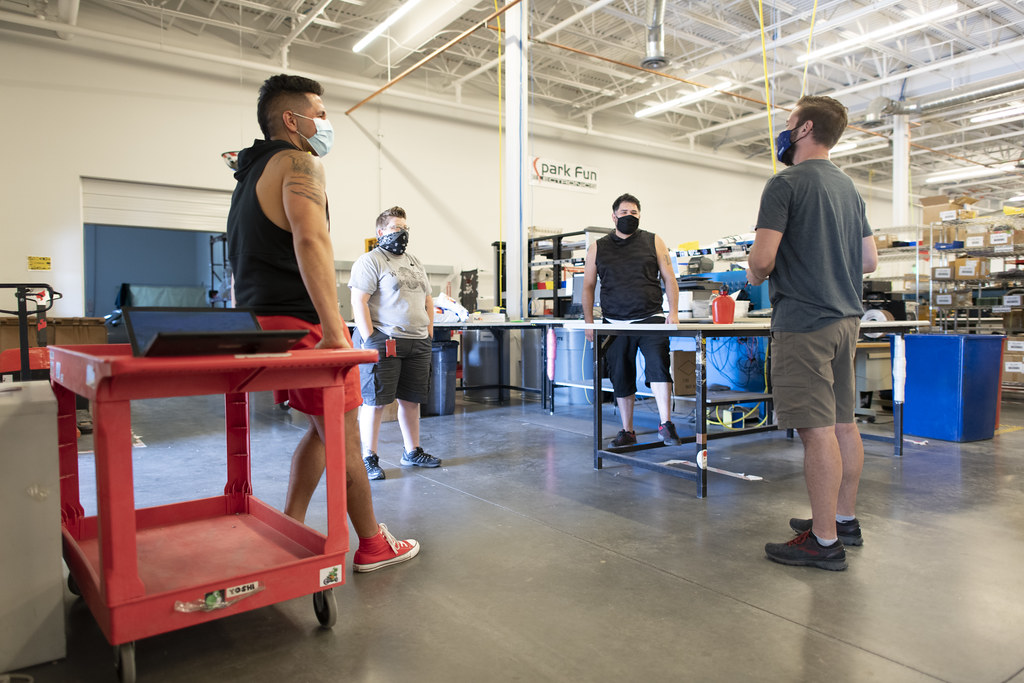
Silicon Prime onboarding meeting with enterprise delivery pod and team members.13:40 · Runbook handoff — the part nobody documents
The handoff session, where the pod inherits the operational knowledge that never made it into a wiki.

Late Afternoon — The First Standup 🕓

By 4pm, we conduct our first standup, aligning with the client's schedule to integrate seamlessly. The goal is to embed fully, making us part of their rhythm rather than running parallel processes. Competitors like Pivotal Labs and ThoughtWorks offer similar approaches to embedding teams within client environments.

We don't replace the client's people. We sit next to them until the work is obviously better, then we sit next to them some more.
Key Elements of OnboardingDescription
Fixed fee, not headcountThe pod is sized to the outcome, and the client knows the number on day zero.
Human stays in the loopOnboarding is also where we map which decisions the client owns and which we can make.
Boring is the goalA great onboarding day ends with nothing on fire and everyone knowing who to call.
Silicon Prime onboarding: team discussion and delivery pod logistics in enterprise setting.16:00 · First standup, their cadence
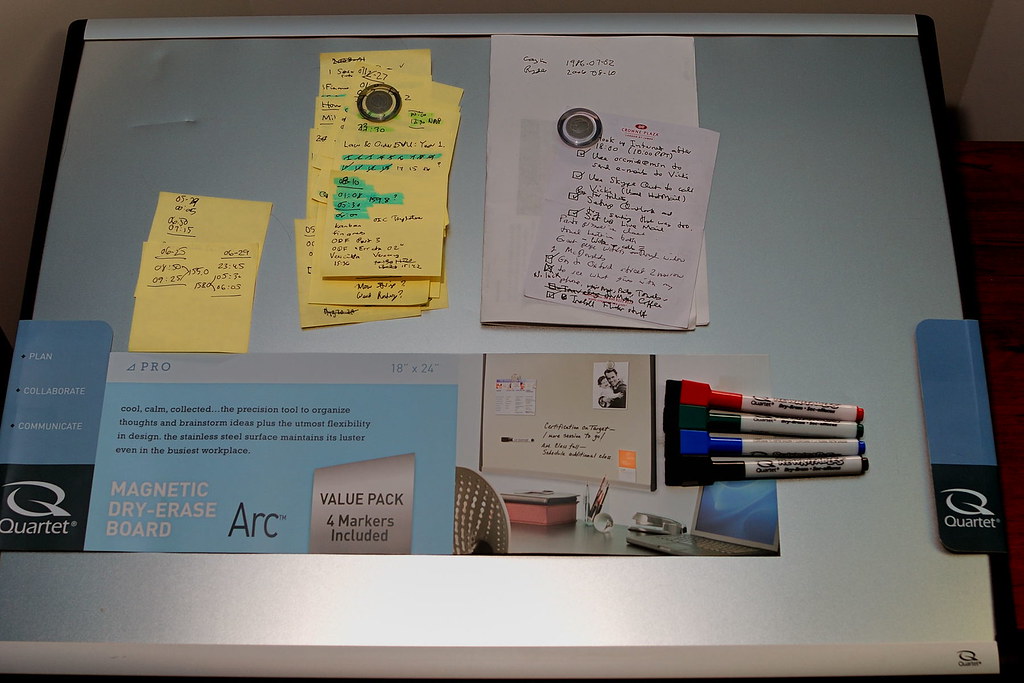
Whiteboard with sticky notes and markers illustrating onboarding runbook and standup meeting at Silicon Prime.Outcome board, day one
End of day one — the pod on the client's cadence, the outcome board up, the rotation named.

Further Reading

🚀 Ready to Build with AI?

Contact Silicon Prime — we help companies design and ship production-grade AI products.

 FAQ

Frequently asked questions

A small, focused team designed to own an outcome rather than a backlog. Day one centers on logistics—access, badges, the runbook handoff, the first standup—because getting those right builds the foundation of trust with the client. The pod is sized to the outcome, not to headcount, and the goal is to embed in the client's rhythm rather than run a parallel process.

Because waiting for access to propagate is a necessary first step the team plans for, not a surprise. A pod that hits access issues in the afternoon misses the chance to understand the client's system properly. By scheduling provisioning—SSO, repo grants, VPN, least-privilege—into the morning, the pod keeps the rest of day one productive.

The client's outgoing team walks the pod through the runbook, helping them understand the system's nuances—the operational knowledge that never made it into a wiki. The pod ensures every question, even basic ones, gets answered to build comprehensive understanding. It's described as the part nobody documents, which is exactly why the live handoff matters.

By 4pm the pod runs its first standup on the client's schedule to integrate seamlessly. The goal is to fully embed and become part of the client's rhythm rather than running parallel processes. The post frames it as sitting next to the client's people until the work is obviously better—not replacing them.

Fixed fee, not headcount. The pod is sized to the outcome, and the client knows the number on day zero. This pricing reflects the pod's purpose—owning an outcome rather than billing for bodies—and it's set up at onboarding alongside mapping which decisions the client owns and which the pod can make.

Onboarding is where that mapping happens. Alongside fixed-fee scoping, the team maps which decisions the client owns and which the pod can make, keeping a human in the loop. The aim is that a great onboarding day ends with nothing on fire and everyone knowing who to call—so decision rights are explicit from the start.

Boring is the goal: a great onboarding day ends with nothing on fire and everyone knowing who to call. By end of day one the pod is on the client's cadence, the outcome board is up, and the on-call rotation is named. The day deliberately front-loads the slow logistics—access, runbook handoff, standup—so the foundation of trust is set without drama.

Thirty minutes · No pitch deck

Ready to turn AI experiments into measurable ROI?

Bring one outcome you'd like AI to move. We'll help you scope a pilot you can actually measure — and tell you honestly if it's not worth doing yet.

Comments