SPrime AI
Book a call

Notes from a field visit to a 400-location operations center.

A 400-location operations center might surprise visitors with its tranquility. Instead of chaos, there's a systematic approach to monitoring and managing site p

A 400-location operations center might surprise visitors with its tranquility. Instead of chaos, there's a systematic approach to monitoring and managing site performance. This article explores how data-driven insights guide regional managers and ensure smooth operations across multiple locations.
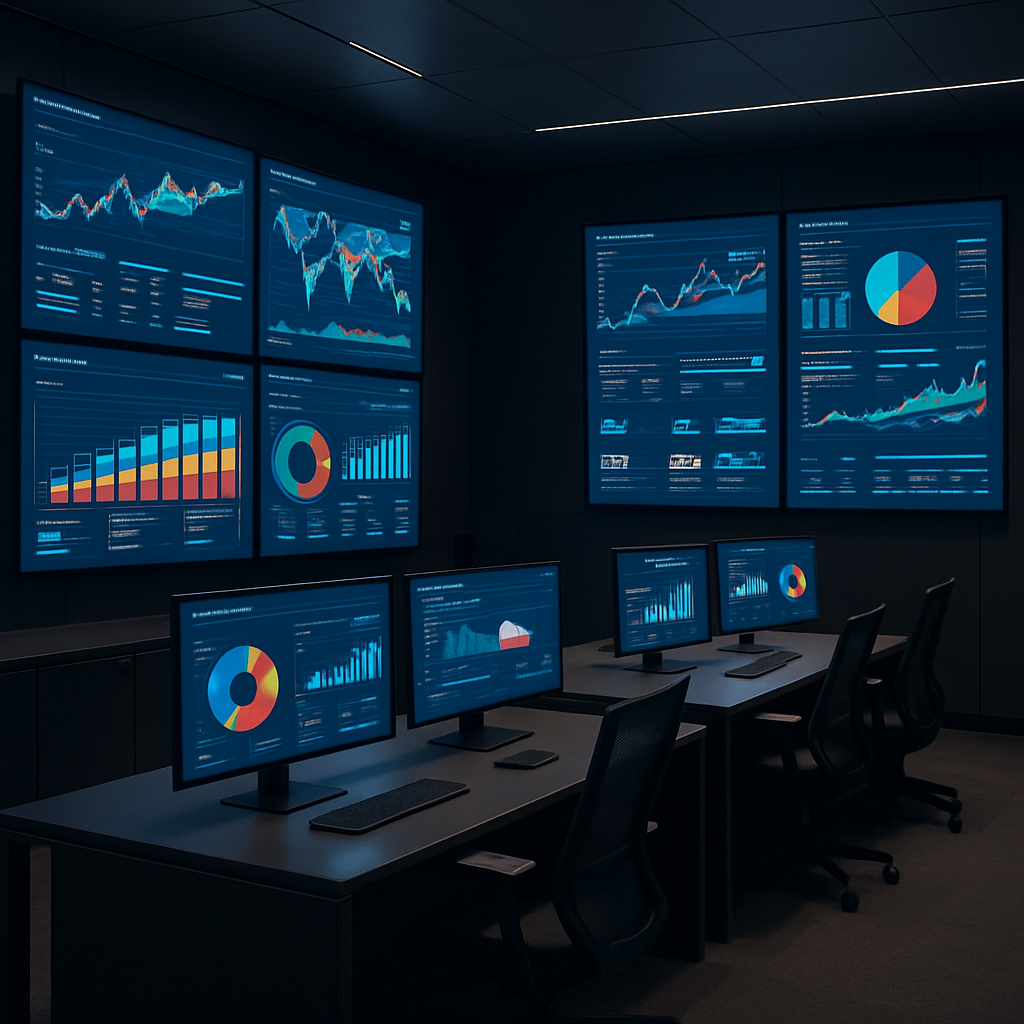
Operations center with screens showing data insights and performance metrics

📊 The Wall is the Product

Every site is a dot. Green is normal. Amber is a question. Red is a phone call. The whole room is built around making sure red is rare and explained.

📈 What the Dashboards Actually Measure

Not vanity numbers. The screens here track the things a regional manager can act on before lunch.

  • Exceptions, not totals. The board surfaces the sites that fell out of pattern, not the 409 that didn't.
  • Time-to-acknowledge. How long an amber sits before a human reads it.
  • Repeat offenders. A site that goes amber three weeks running is a process problem, not a bad day.
A good operations wall doesn't tell you everything is fine. It tells you exactly where to look when it isn't.

When comparing tools like Tableau or Power BI, these dashboards focus on actionable insights rather than sheer data display.

📷 What You Don't See in the Photo

The room looks calm because the hard work happened upstream — in the way the data is shaped before it ever reaches a screen.

The lesson we took home is the one we keep relearning. The interesting AI work is not the screen. It is the discipline of deciding what deserves a dot, what deserves a color, and what deserves a human.

Further Reading

🚀 Ready to Build with AI?

Contact Silicon Prime — we help companies design and ship production-grade AI products.

 FAQ

Frequently asked questions

Every site is a dot: green is normal, amber is a question, red is a phone call. The whole room is built around making sure red is rare and explained. The wall surfaces where to look rather than displaying everything, which is why a 400-site center can feel calm rather than chaotic.

Things a regional manager can act on before lunch: exceptions rather than totals (the sites that fell out of pattern, not the 409 that didn't), time-to-acknowledge (how long an amber sits before a human reads it), and repeat offenders (a site amber three weeks running is a process problem, not a bad day).

It means surfacing only the sites that fell out of pattern instead of reporting every site's totals. The post's example: the board shows the handful of sites that went amber or red, not the 409 that behaved normally, so attention goes straight to what needs action.

Time-to-acknowledge measures how long an amber sits before a human reads it, surfacing responsiveness. Repeat offenders flag a site that goes amber three weeks running as a process problem rather than a bad day. Both are metrics a regional manager can act on, unlike raw totals.

The post says the room looks calm because the hard work happened upstream, in the way the data is shaped before it ever reaches a screen. A well-designed exception-based wall means humans only look when something is out of pattern, so a 400-site center doesn't feel chaotic.

The post's takeaway is that the interesting AI work is not the screen. It's the discipline of deciding what deserves a dot, what deserves a color, and what deserves a human. The intelligence lives in shaping and triaging the data upstream, not in the dashboard itself.

A good operations wall doesn't tell you everything is fine; it tells you exactly where to look when it isn't. The post values a board that surfaces exceptions and routes the right signals to a human over one that simply displays large volumes of data.

By deciding what deserves a dot, what deserves a color, and what deserves a human, the discipline the post calls the real AI work. The goal is actionable insight: exceptions over totals, signals a manager can act on before lunch, rather than sheer data display.

Thirty minutes · No pitch deck

Ready to turn AI experiments into measurable ROI?

Bring one outcome you'd like AI to move. We'll help you scope a pilot you can actually measure — and tell you honestly if it's not worth doing yet.

Comments