SPrime AI
Book a call

A day at the Stanford lab where Silicon Prime started.

A nostalgic journey through the Stanford lab where Silicon Prime was founded reveals how the beginnings in a small room continue to influence our approach to AI

A nostalgic journey through the Stanford lab where Silicon Prime was founded reveals how the beginnings in a small room continue to influence our approach to AI development. The space, with its familiar whiteboard and desks, holds lessons of honesty, discipline, and the importance of augmenting human capability that still guide us today.
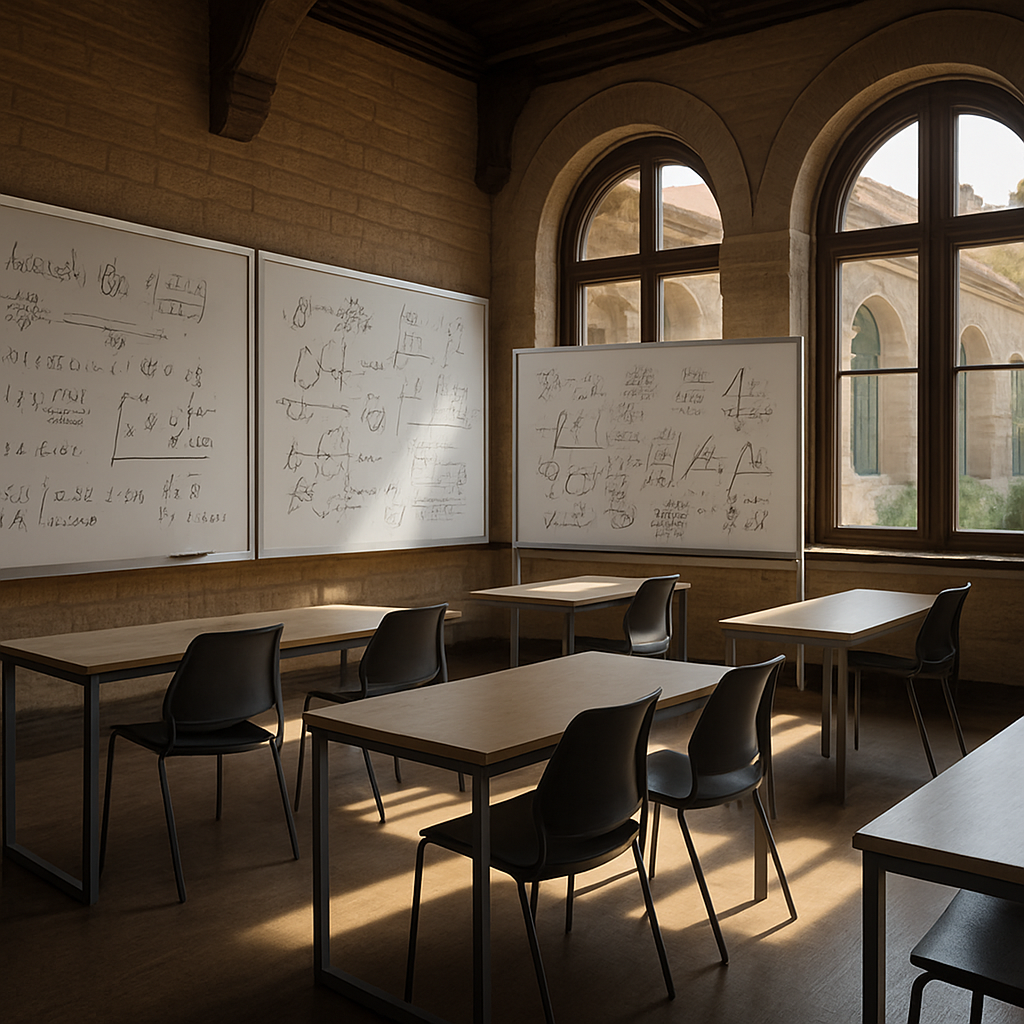
A historic lab room at Stanford featuring whiteboards and desks, symbolizing the beginnings of Silicon Prime.

The Room, Mostly Unchanged 🏛️

The light is the first thing. Late-afternoon, low, coming in sideways across the same long bench. The bench is the same bench. Someone has added monitors and taken away the kettle, but the bones of the room are exactly as they were the week we decided to do this.

The Whiteboard We Never Returned 🖍️

There is a whiteboard in the corner that technically belonged to a different lab. We borrowed it for a week in 2011 and it simply became ours. The current occupants have kept it. The ghost of old marker is still faintly visible under the new diagrams — you can't fully erase a whiteboard, which felt apt.

What the Place Taught Us, and We Kept 💡

  • Small rooms force honesty. Two people and a whiteboard cannot hide behind a deck. Either the idea survives the conversation or it doesn't.
  • Research patience, production discipline. The lab rewarded getting it right slowly. We carried the patience into how we run evals and dropped nothing of the rigor.
  • Augment the person at the bench. The whole point of the work, then and now, was to make the human at the desk faster — never to remove them.

Tools like Google's TensorFlow and OpenAI's models have similar philosophies in augmenting human abilities, aligning with our foundational principles.

We didn't found a company in that room. We founded a habit of asking what the machine should do for the person, and refusing to ship until the answer was honest.

Why I Still Go Back 🔄

Companies drift. It is the natural state. Going back to the room resets something — a reminder that the boring discipline we sell to regulated enterprises today was born from the same insistence on getting it right that we had with one borrowed whiteboard and no customers. The place still matters because the question hasn't changed.

🚀 Ready to Build with AI?

Contact Silicon Prime — we help companies design and ship production-grade AI products.

 FAQ

Frequently asked questions

In a small Stanford lab room, around a long bench and a whiteboard, the week the founders decided to do this. The post revisits the room, noting it's mostly unchanged, the same bench with monitors added and the kettle gone, and treats it as the origin of the company's approach to AI.

There's a whiteboard in the corner that technically belonged to a different lab; they borrowed it for a week in 2011 and it simply became theirs. The current occupants kept it, and the ghost of old marker is still faintly visible under new diagrams, which the author found apt since you can't fully erase a whiteboard.

Three: small rooms force honesty (two people and a whiteboard can't hide behind a deck), research patience paired with production discipline (getting it right slowly, carried into how they run evals), and augment the person at the bench, making the human faster rather than removing them.

It means the whole point of the work, then and now, was to make the human at the desk faster, never to remove them. The post traces Silicon Prime's augment-not-replace philosophy directly back to the lab, framing it as a founding principle rather than a later marketing position.

Because companies drift, and going back resets something. The post describes it as a reminder that the boring discipline Silicon Prime sells to regulated enterprises today was born from the same insistence on getting it right that they had with one borrowed whiteboard and no customers. The place matters because the question hasn't changed.

The post says small rooms force honesty: two people and a whiteboard cannot hide behind a deck, so either the idea survives the conversation or it doesn't. That insistence on honest, undecorated reasoning became part of how the company still operates today.

The post says the lab rewarded getting it right slowly, and Silicon Prime carried that patience into how it runs evaluations while keeping all the rigor. The pairing of research patience with production discipline is presented as a direct line from the founding room to current release practice.

Thirty minutes · No pitch deck

Ready to turn AI experiments into measurable ROI?

Bring one outcome you'd like AI to move. We'll help you scope a pilot you can actually measure — and tell you honestly if it's not worth doing yet.

Comments