We don't sell discovery as a deliverable. We sell it as the thing that lets us write a fixed-fee SOW we can actually stand behind. Two days, one room, no slides. This is the wall when everyone has gone home.
The wall on day two, late.
By the second afternoon the whiteboard stops being a whiteboard. It becomes a record of every disagreement we resolved and every one we deliberately parked. The mess is the point. A clean wall after discovery means nobody pushed hard enough.
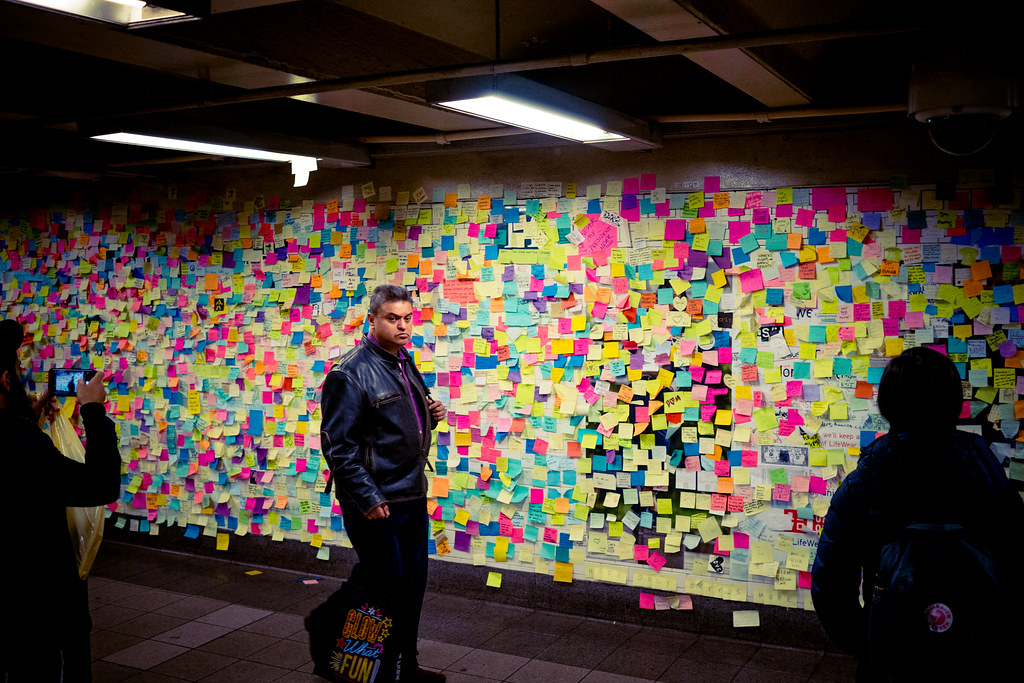 Day 2 · 17:40 · The full wall
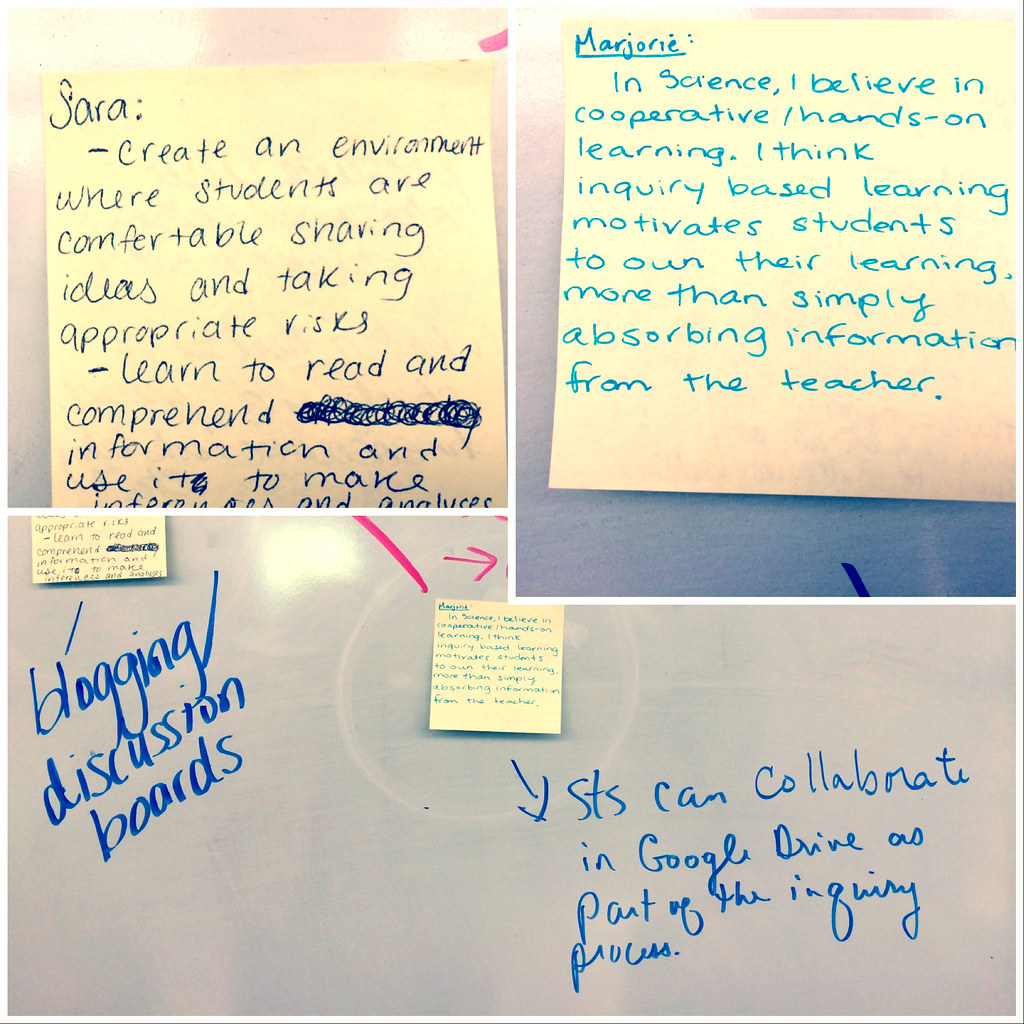 Sticky cluster · current state
 Sticky cluster · future state
The hand-drawn system map.
Somewhere on every wall there is a box-and-arrow drawing nobody planned to make. It is always the most useful artifact in the room. It shows where data actually moves — not where the org chart says it does. The gaps in the drawing are where the real work lives.
 The system map — five systems, three of them undocumented until now.
What we don't keep.
- Most of the stickies. Ninety percent get photographed and recycled. They did their job by existing for two days.
- The clever ideas with no owner. If nobody in the room will own it, it isn't a candidate.
- Our first instinct. It is almost never the workflow we end up choosing.
The one workflow we agreed to automate first.
The output of two days is embarrassingly small: a single workflow, circled. Not a roadmap, not a platform — one process that is high-volume, low-judgment, and painful enough that a person will thank you for taking it. We keep a human on the result. We are augmenting the team that runs it, not replacing them.
Discovery succeeds when the wall is loud and the decision is quiet. One circle, one owner, one thing we can price.
— Kelvin Tran. Walnut Creek, CA. June 2026.
Comments