There is a particular kind of quiet at 2am in an operations center. Not the quiet of nothing running. The quiet of everything running and nobody needing to touch it. That is the photo we keep coming back to.
The desk at 02:14.
Two monitors, one of them dimmed. A cup that went cold an hour ago. The on-call engineer is here, but the work is not. The dashboards are green and the chair is mostly empty. That emptiness is the product.
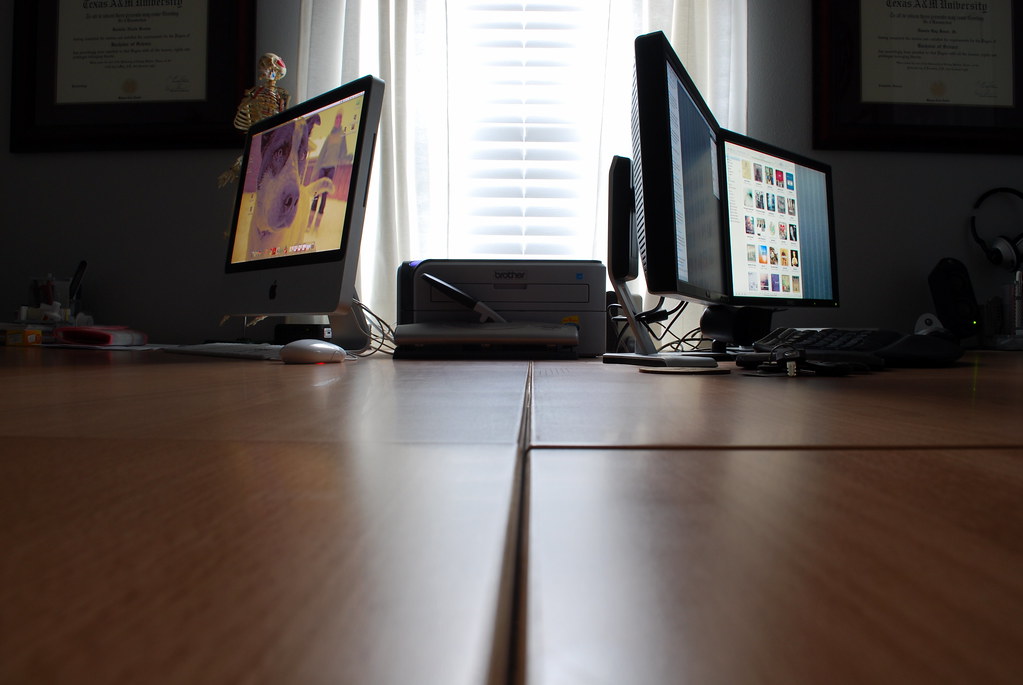 02:14 · The on-call desk
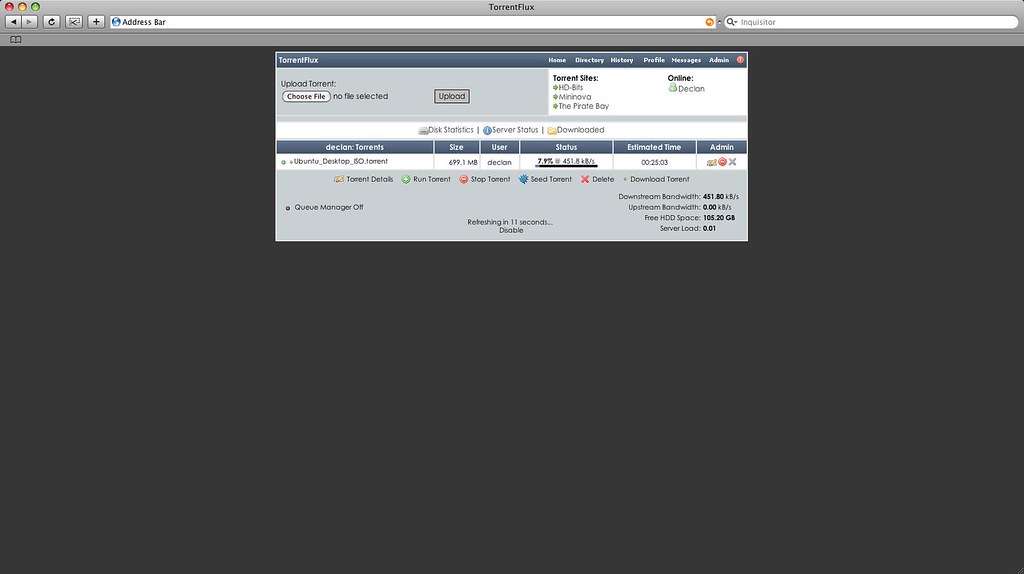 All systems · nominal
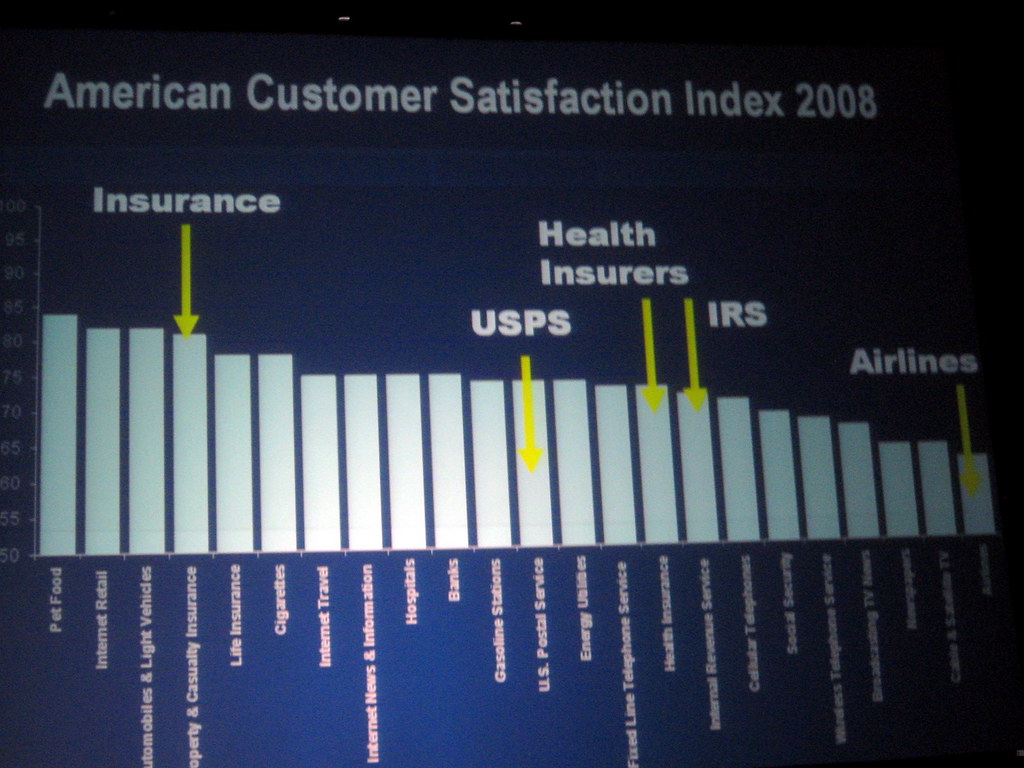 Latency wall · flat
What the dashboards are not showing.
A loud night shift looks impressive. People leaning in, pointing at graphs, typing fast. We have run those nights. They are a sign that something upstream was decided badly — a release that should have waited, a scope that was too wide, a risk note nobody read.
- No incident bridge open. The phone is on the desk, face down, dark.
- No deploy in flight. Nothing ships overnight unless a human chose to be awake for it.
- One chair, not five. If a night needs five people, the daytime failed.
A calm night shift is not luck. It is the receipt for every careful decision made in daylight.
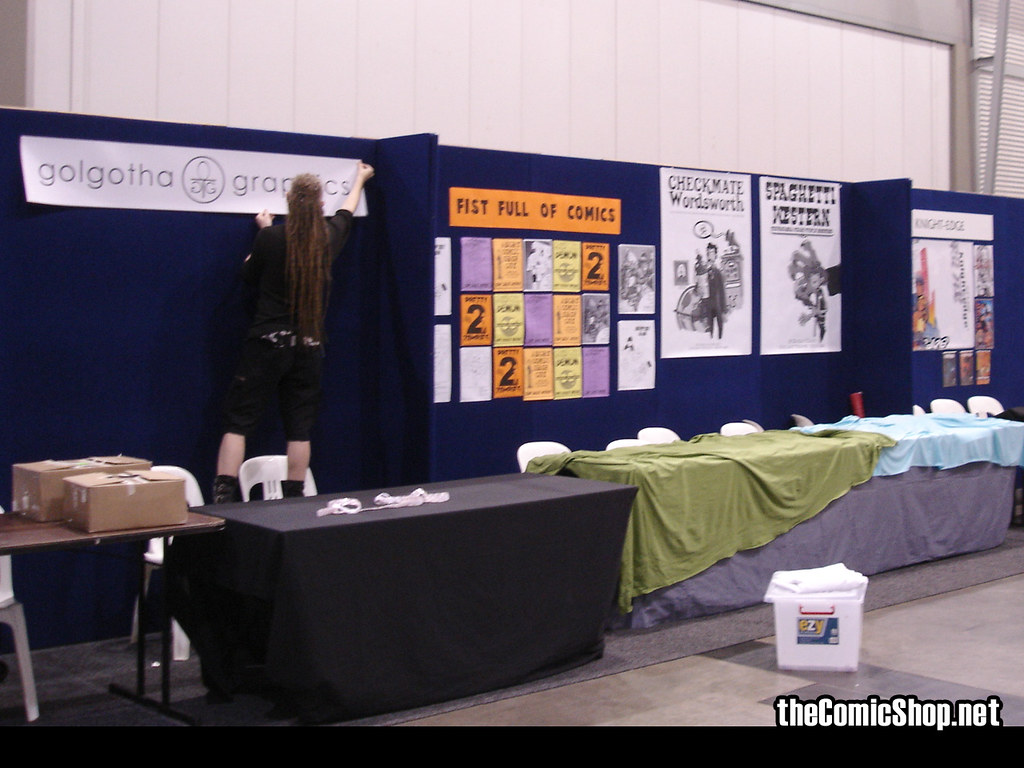 03:41 · The engineer refilled the coffee. That was the whole shift.
Why we measure the boring nights.
We do not pay people to fight fires at 2am. We pay them to be awake, present, and almost always idle — because the moment they are needed, the cost of not having a human there is enormous. The real KPI is not incidents resolved. It is nights where the human was there and did not have to do anything. We chart that. It goes up when the daytime gets disciplined, and it is the number we are proudest of.
The empty chair is not a sign the job is automated away. The chair is occupied. It is just that, on a good night, the person in it gets to drink their coffee while it is still hot.
— Kelvin Tran. Walnut Creek, CA. May 2026.
Comments