There is a frame in the hallway between the kitchen and the desks. It holds the incident timeline of the worst release we have ever shipped. People assume it is an award. It is the opposite, and it is the most useful thing on that wall.
Why it's on the wall, not in a postmortem folder.
A postmortem you file is a postmortem you forget. We wrote ours, learned from it, and then did the thing that actually makes a lesson stick — we made it impossible to ignore. You walk past it to get coffee.
The rule we set when we hung it: the frame is about the system, never the person. No names on the timeline. Just the decisions, the gaps, and the four hours it took to recover.
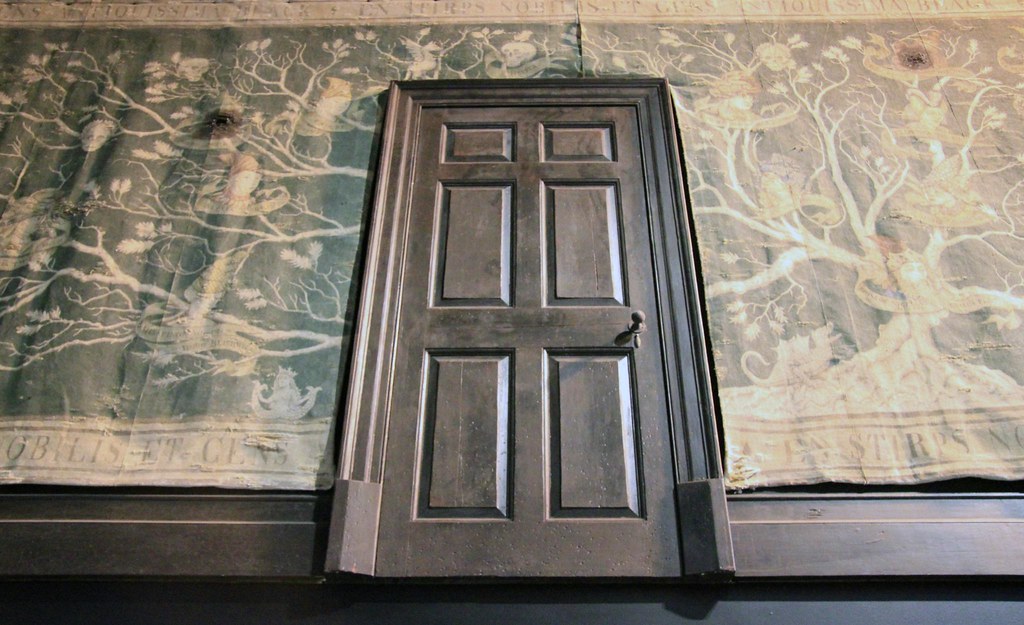 The frame · hallway wall
 14:02 · deploy looked clean
 14:51 · first customer report
What the timeline actually shows.
It is one printed page, set in mono type, with a thin orange line marking the moment we should have rolled back and didn't. That line is the whole point of the frame. We had the signal at 14:51. We argued about it until 16:30. The cost of that argument is the gap on the wall.
- No blame caption. The frame names a decision, not a developer.
- The orange line. It marks the rollback we delayed, not the bug we shipped. The bug was forgivable. The hesitation was the lesson.
- It stays up. We don't rotate it out for a prettier incident. The worst one earns the wall.
 16:30 · we finally rolled back. the line on the frame ends here.
A monument, not a punishment.
There is a real difference, and people feel it the moment they understand the frame. A punishment makes the next person hide the next mistake. A monument makes the next person point at the wall and say "we are not doing the 14:51 thing again." One culture buries incidents. The other one frames them.
We don't hang our wins in the hallway. Wins don't teach. The worst release teaches every single morning.
The engineers who lived through that release are still here. That matters more than the frame. We didn't want them gone — we wanted the lesson kept. Workforce-first means the people stay and the mistake becomes shared property of the whole team, bolted to the wall in good light.
— Kelvin Tran. Walnut Creek, CA. May 2026.
Comments