A delivery pod is four to six people who own an outcome, not a backlog. Day one is mostly logistics — but the logistics are the trust. Here is how the first day actually looks.
Morning — access, badges, the slow part.
The unglamorous truth is that day one is mostly waiting for access to propagate. We plan for it. A pod that spends its first afternoon firefighting permissions is a pod that learned nothing about the client's actual system.
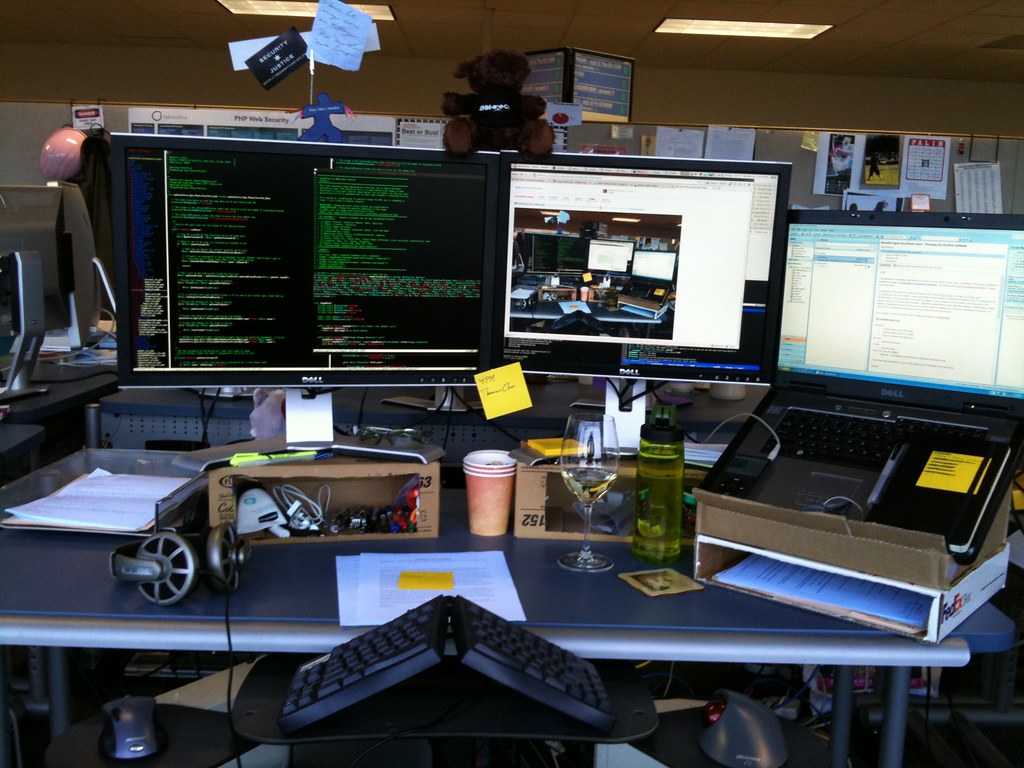 09:05 · Access provisioning
 SSO & repo grants
 VPN · least privilege
Midday — the runbook handoff.
This is the moment that matters. The client's outgoing team walks the pod through the runbook: how things break, who gets called, what the unwritten rules are. We record it, we ask the dumb questions out loud, and we leave with a runbook that has our names in it now.
 13:40 · Runbook handoff — the part nobody documents
Late afternoon — the first standup.
By 4pm the pod runs its first standup as part of the client's rhythm, not separate from it. The whole point of a pod is to embed, so we don't run a parallel ceremony. We join theirs.
We don't replace the client's people. We sit next to them until the work is obviously better, then we sit next to them some more.
- Fixed fee, not headcount. The pod is sized to the outcome, and the client knows the number on day zero.
- Human stays in the loop. Onboarding is also where we map which decisions the client owns and which we can make.
- Boring is the goal. A great onboarding day ends with nothing on fire and everyone knowing who to call.
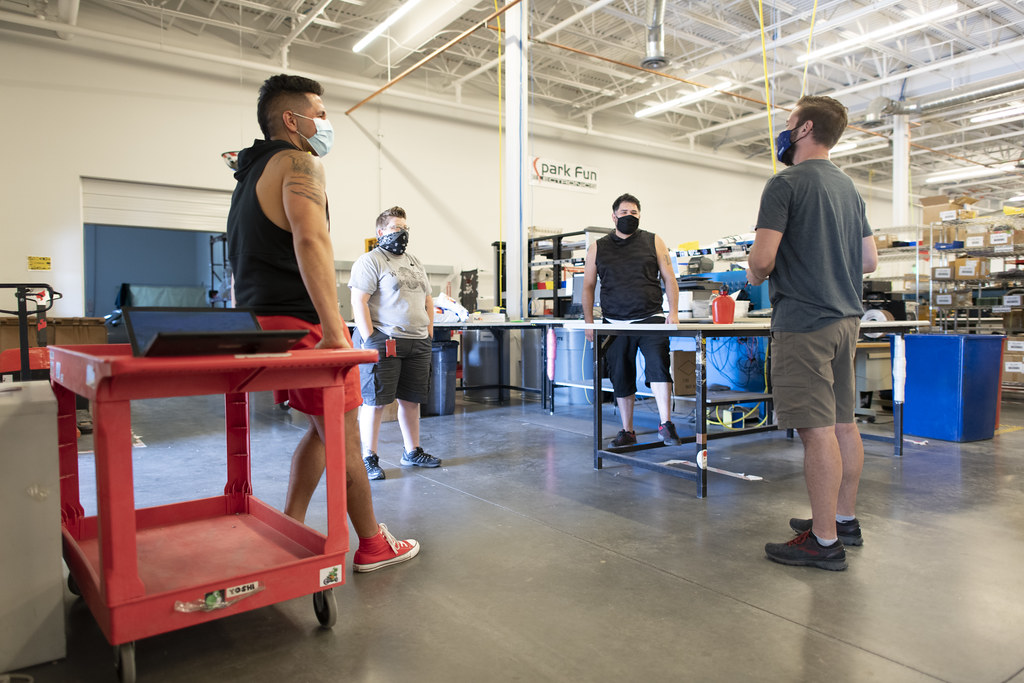 16:00 · First standup, their cadence
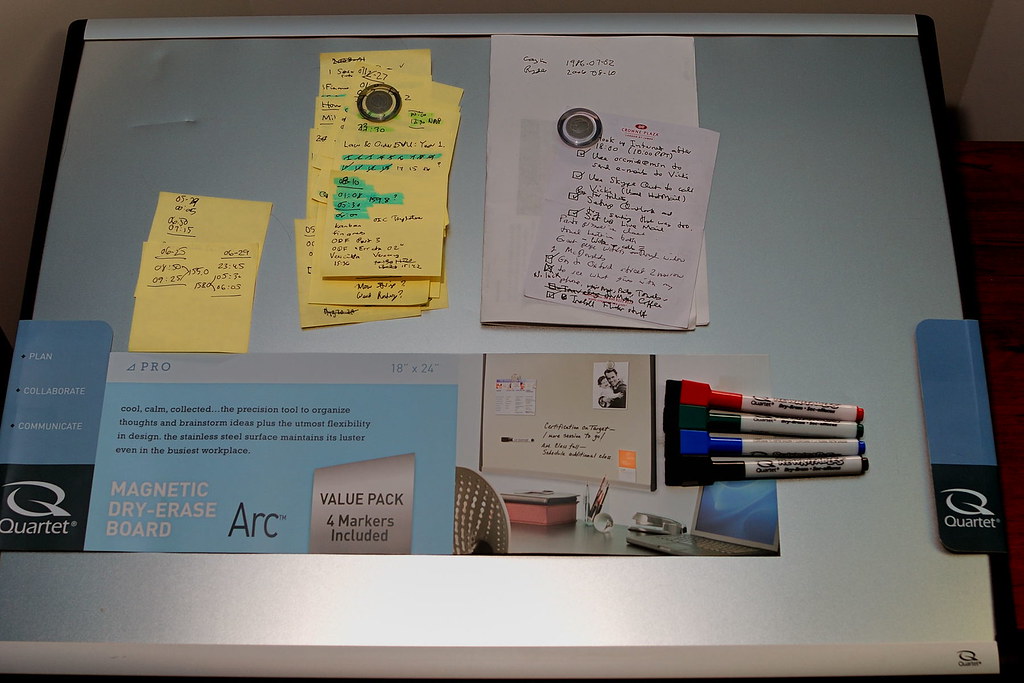 Outcome board, day one
 On-call rotation set
— Suhail Abidi. San Francisco, CA. May 2026.
Comments