The thing that surprises people about a 400-location operations center is how quiet it is. There is no hum of crisis. There is a wall, a few screens, and a small group of people who have learned to read a map of the country the way the rest of us read a clock.
The wall is the product.
Every site is a dot. Green is normal. Amber is a question. Red is a phone call. The whole room is built around making sure red is rare and explained.
 07:04 · The national wall map
 412 sites · 3 amber
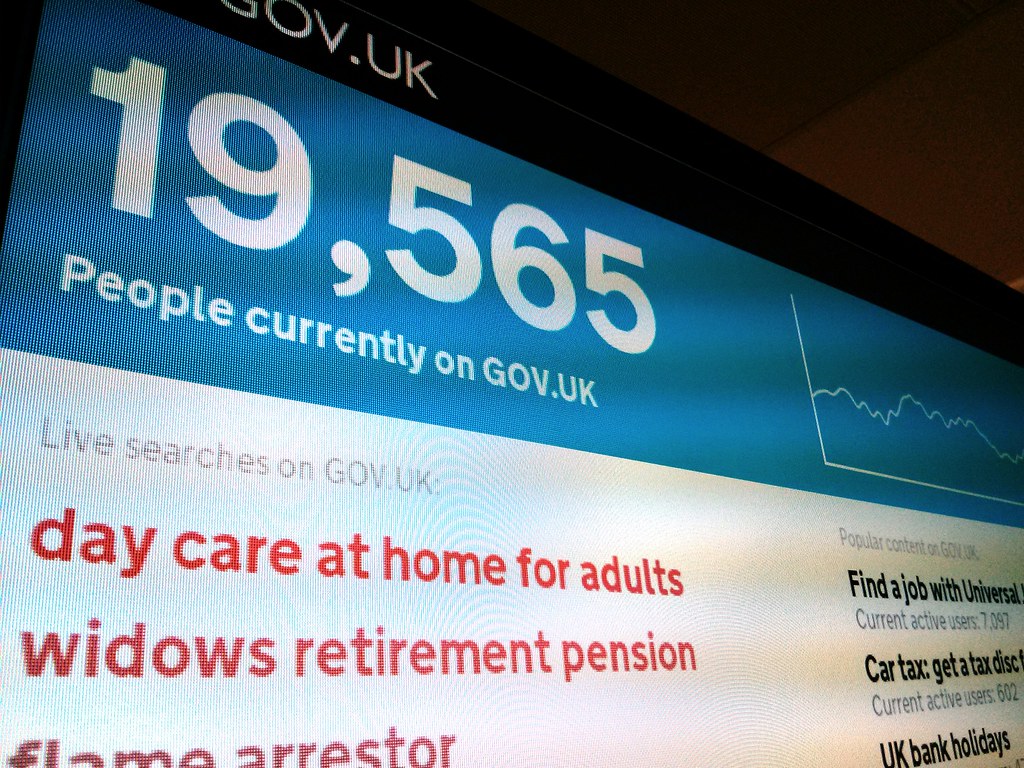 Throughput dashboard
What the dashboards actually measure.
Not vanity numbers. The screens here track the things a regional manager can act on before lunch.
- Exceptions, not totals. The board surfaces the sites that fell out of pattern, not the 409 that didn't.
- Time-to-acknowledge. How long an amber sits before a human reads it.
- Repeat offenders. A site that goes amber three weeks running is a process problem, not a bad day.
A good operations wall doesn't tell you everything is fine. It tells you exactly where to look when it isn't.
What you don't see in the photo.
The room looks calm because the hard work happened upstream — in the way the data is shaped before it ever reaches a screen.
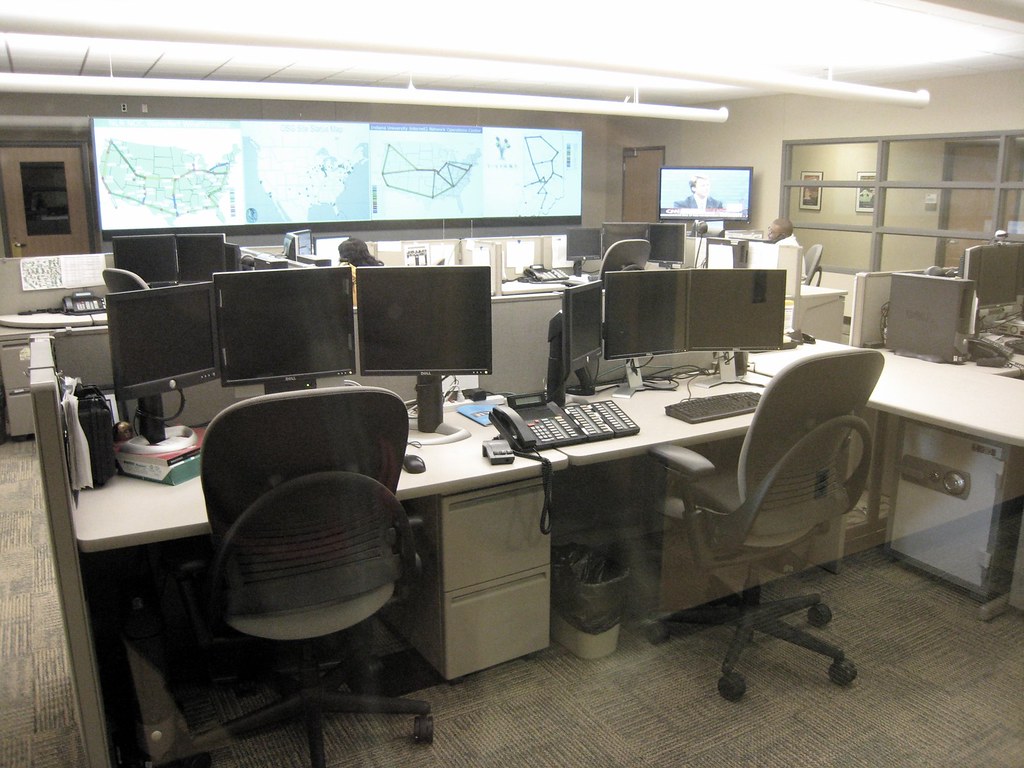 07:41 · Three amber sites, all explained, none escalated.
The lesson we took home is the one we keep relearning. The interesting AI work is not the screen. It is the discipline of deciding what deserves a dot, what deserves a color, and what deserves a human.
— Kelvin Tran. Walnut Creek, CA. June 2026.
Comments