The first thing you learn on a manufacturing floor is that nobody there cares what your model architecture is. They care whether the line keeps moving and whether the new thing helps or gets in the way. That is the right question, and it is the one we showed up to answer.
The floor, not the lab.
We did not roll this program out from a conference room. We built it on the floor, next to the people who would use it. Same hard hats, same noise, same shift change.
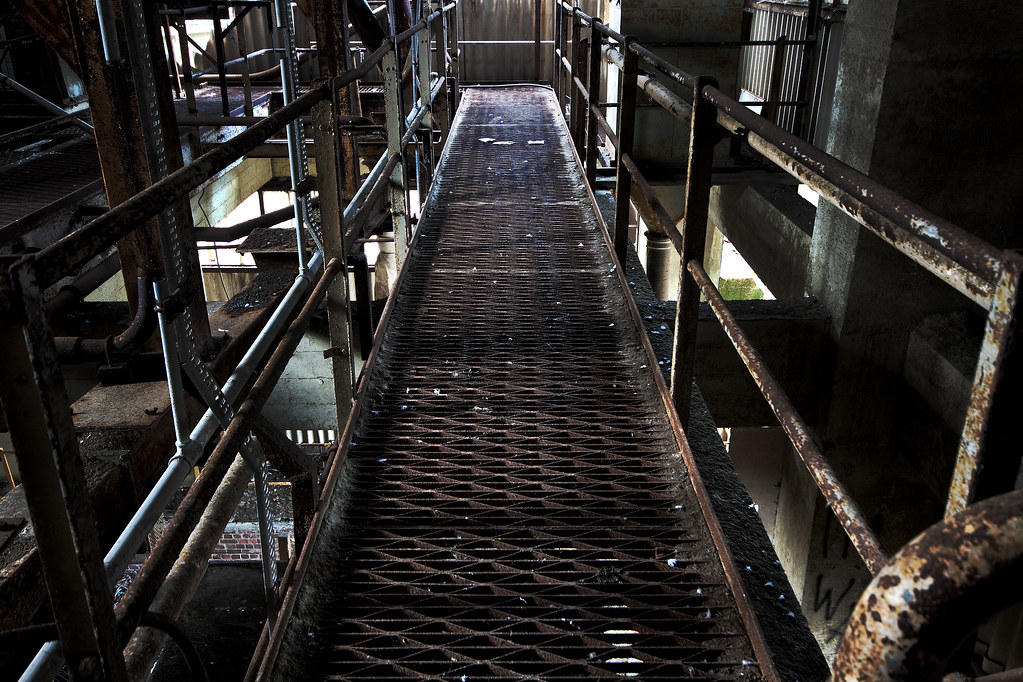 06:12 · Shift handover, line 3
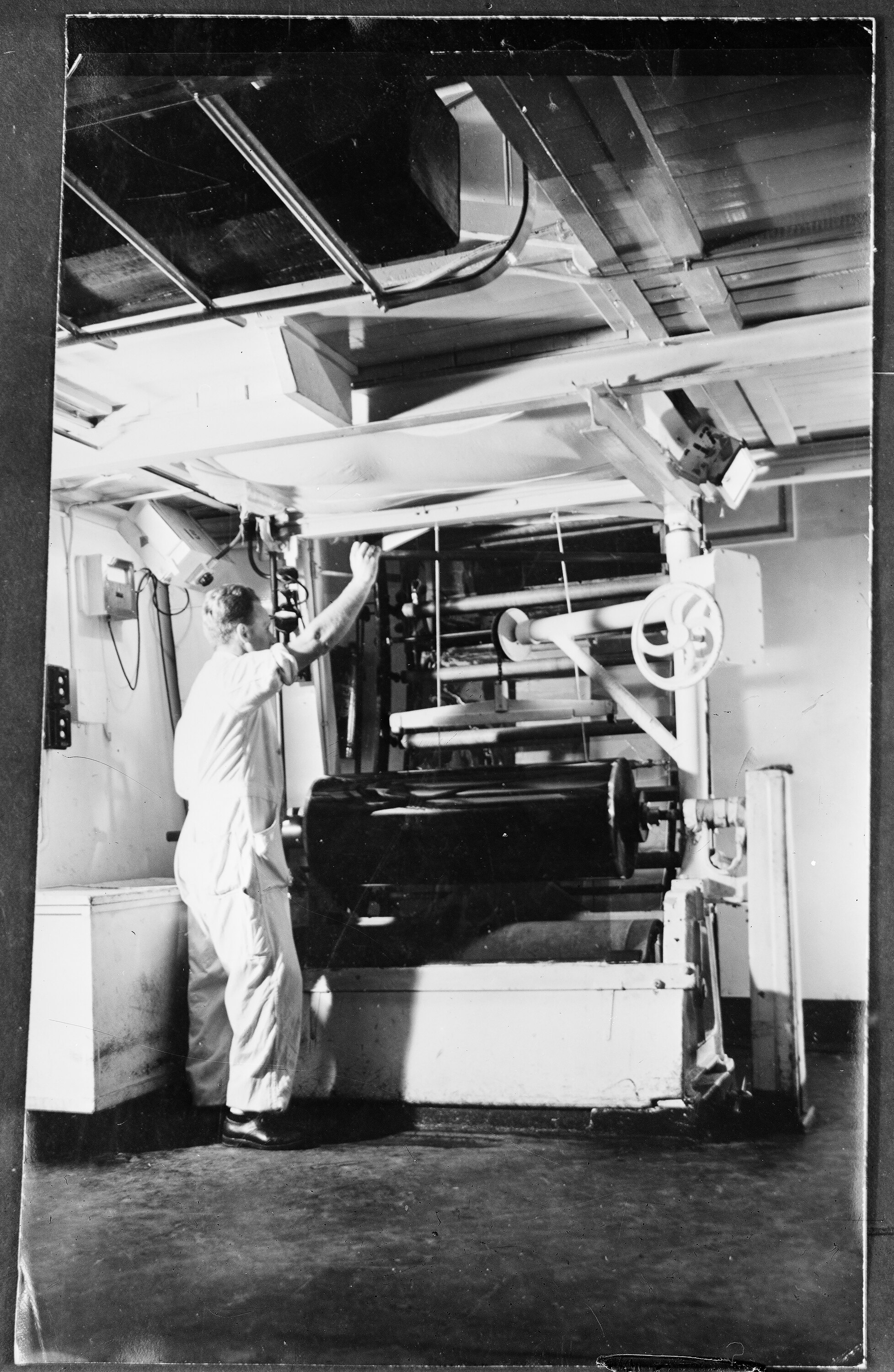 Operator · 9 years on the line
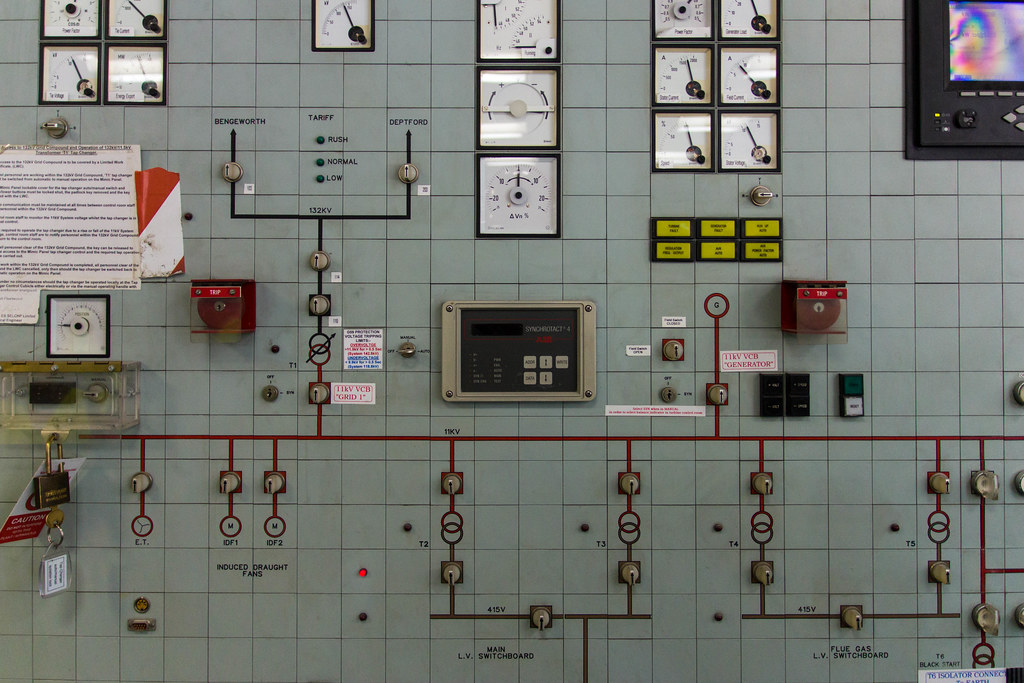 Suggestion screen at the station
Augment the operator, don't replace them.
The model flags a likely defect. The operator decides. That order matters, and we did not let it drift the other way.
- The human has the last word. Every flag is a suggestion routed to the person who knows the machine.
- No headcount came off this floor. The program moved people up the value chain — into review, calibration, and exception handling.
- The operators trained the reviewers. Nine years of pattern recognition is a dataset. We treated it like one.
A defect model is only as honest as the line worker willing to tell you when it is wrong.
What you don't see in the photo.
The quiet work was governance. Who can change a threshold. Who signs off when the model gets retrained. What happens on the floor when the suggestion screen goes dark.
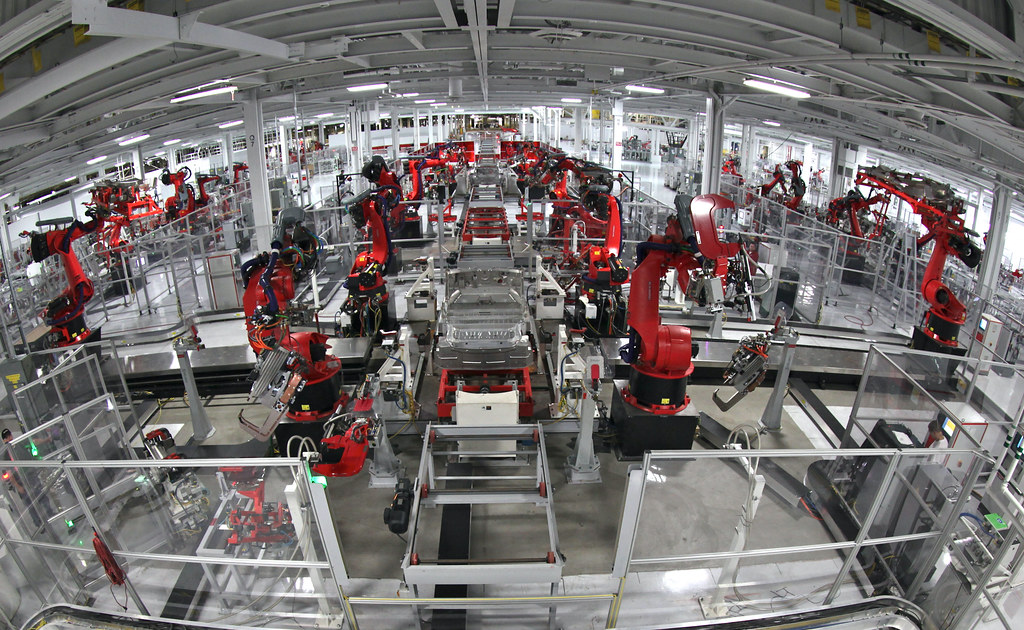 14:38 · Model paused for recalibration. Line never stopped.
The lesson we carried out of the plant is the one we keep relearning. Responsible AI on a manufacturing floor is not a screen and not a model. It is a set of agreements about who decides, written down before anything ships, and honored when the screen goes dark.
— Suhail Abidi. Walnut Creek, CA. June 2026.
Comments