Ask most engineers how they feel about being on call and you get a flinch. We wanted the opposite: a week where the person holding the pager sleeps fine, because the system was designed to let them.
The desk on Monday morning.
A rotation starts with coffee and a handoff, not with a fire. The outgoing engineer walks the incoming one through what happened last week — what paged, what was noise, what to keep an eye on.
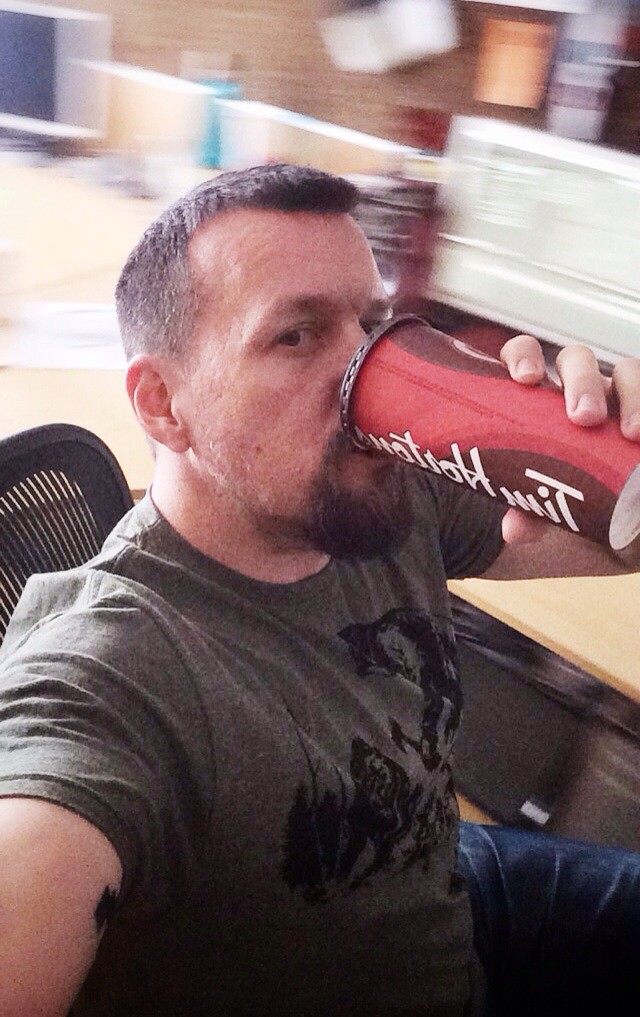 09:00 · The handoff over coffee
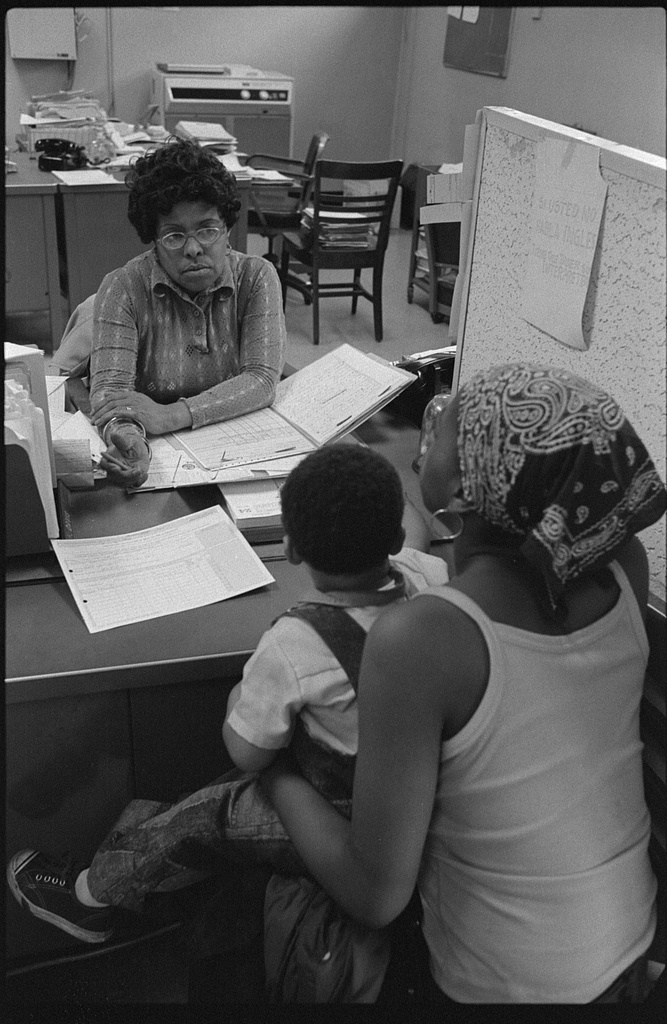 Last week · 1 page, no fires
Why the runbooks are laminated.
It sounds like a joke. It is not. A laminated runbook is one that gets pulled off the shelf at 2am, spilled on, and put back. The lamination is a signal: this document is used, not archived.
- Every alert links to a runbook. If a page does not have a written response, it is not allowed to page anyone. That rule alone cut our overnight noise by more than half.
- The runbook is short. One screen. If it needs more than one screen, the alert is too broad and gets split.
- It says when to escalate. The hardest thing at 2am is deciding whether to wake someone. The runbook decides that for you.
A good on-call week is one where the runbook answered the question before you had to think.
The handoff doc.
The artifact that carries the rotation is a single living document. Each week appends to it; nothing is deleted. The incoming engineer reads the last entry and knows the state of the world.
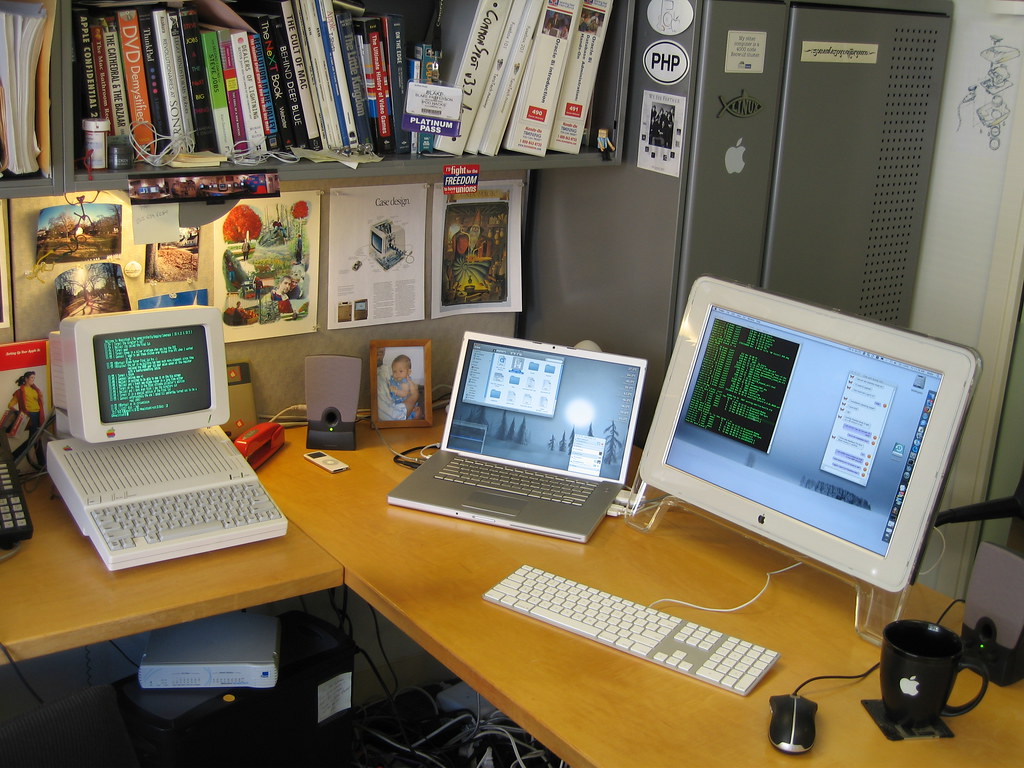 The handoff doc · 142 weeks, never deleted
Why nobody dreads the pager.
The dread does not come from being on call. It comes from being on call for a system you do not understand, with no plan, alone. We removed all three.
- You are never alone. A secondary is always named. They do not get paged first, but they exist, and everyone knows who they are.
- The pager is quiet by design. Fewer than two pages a week, most weeks. We treat every false page as a bug to fix, not noise to tolerate.
- The week ends. A rotation is one week, then it is someone else's turn. Nobody carries the pager into a second week, and nobody carries the stress past Friday.
Boring is the goal. The best compliment our on-call engineers give is that they forgot they were holding the pager.
— Kelvin Tran. Walnut Creek, CA. May 2026.
Comments